Where Are Canada's Best Beaches? (Ocean & Freshwater Coast to Coast)
Quick Summary:
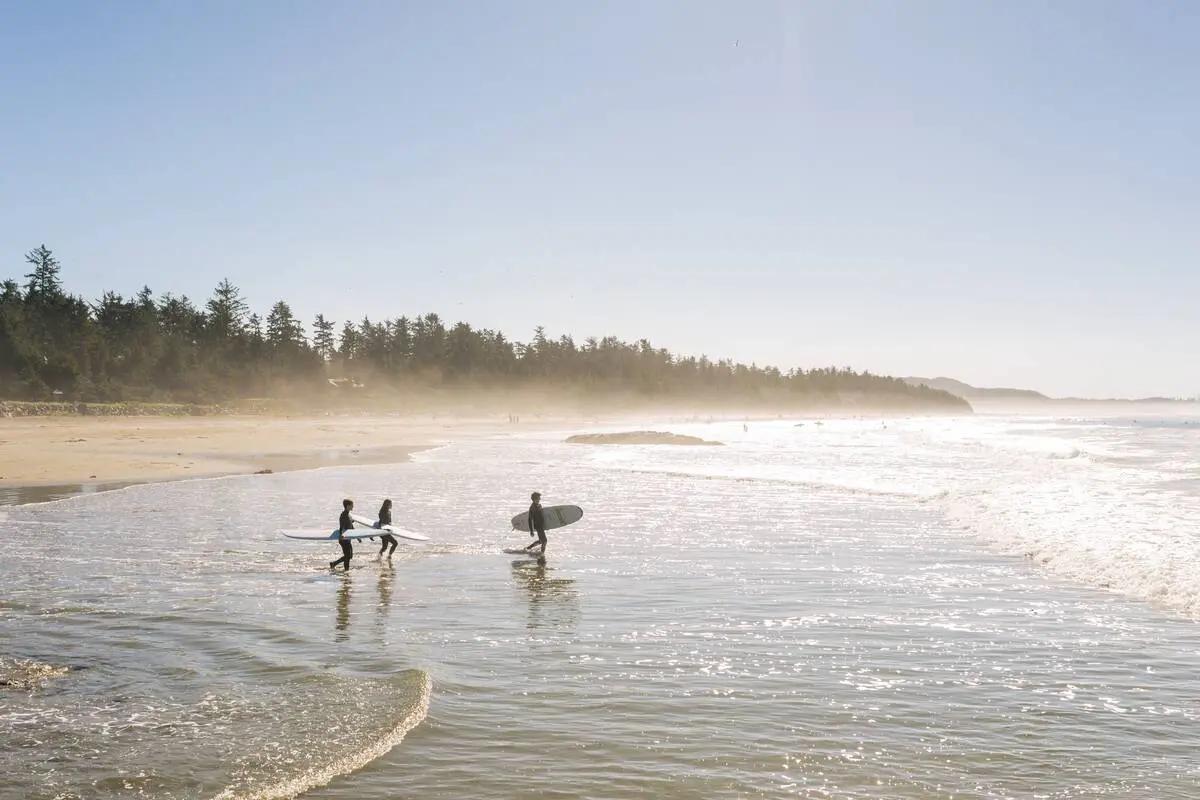
Canada’s top beaches span three oceans and the world’s richest supply of freshwater shores. Highlights include Wasaga Beach, ON (often cited as the world’s longest freshwater beach), Long Beach in Tofino for Pacific surf and storm walks, PEI’s squeaky-soft Basin Head, New Brunswick’s warm Parlee Beach, and Manitoba’s white-sand Grand Beach.
Quick Facts:
- Beach types: Ocean (Atlantic, Pacific, Arctic), freshwater lakes, northern wilderness
- Warmest salt water: Parlee Beach, New Brunswick (often among the warmest in Canada)
- Longest beach: Wasaga Beach, Ontario (≈15 km / 9 mi)
- Best season: June-September for swimming; year-round for coastal walks
- Unique features: Singing sands · dunes · turquoise lakes · surfing
Wasaga Beach, Ontario - Longest Freshwater Beach
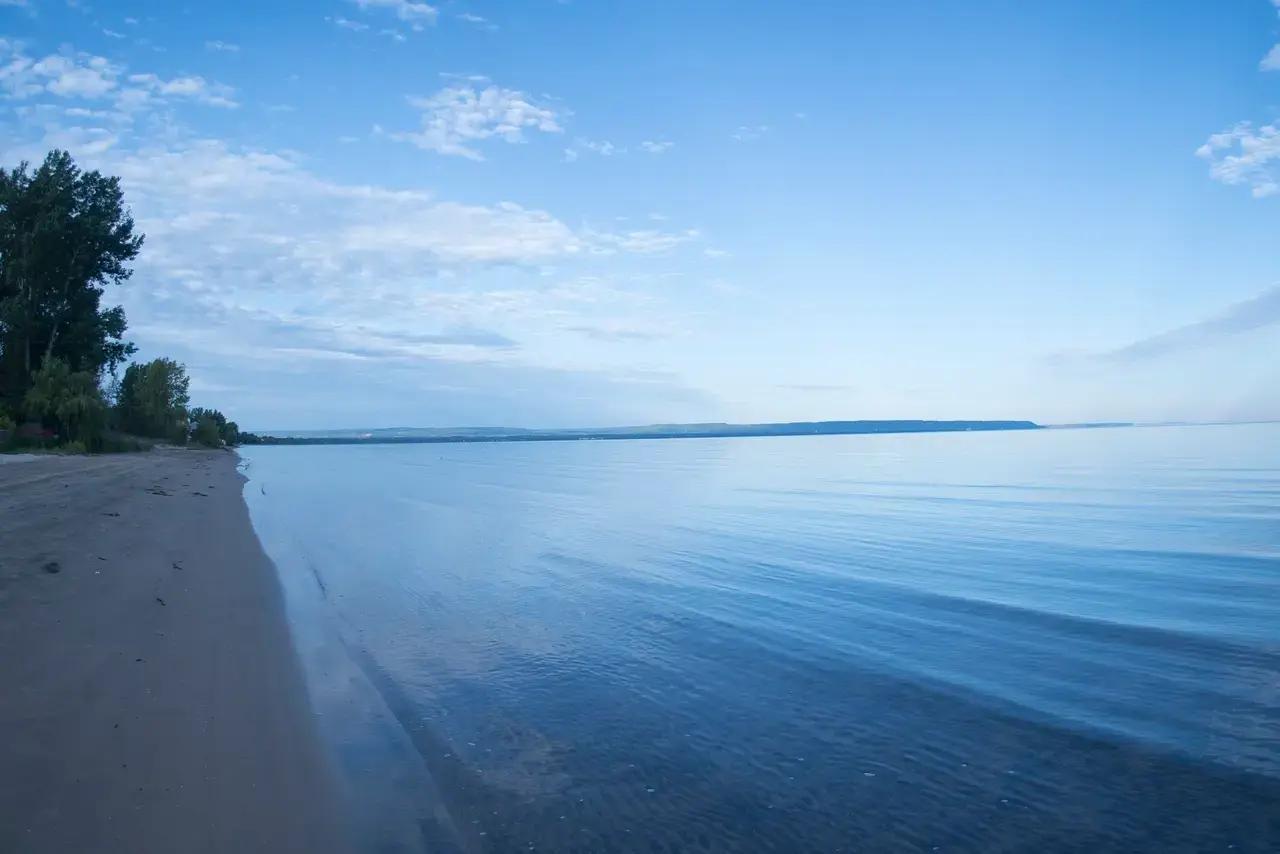
Wasaga Beach (ON) - nearly 15 km of freshwater sand and summer fun. Credit: Destination Ontario
Type: Freshwater (Georgian Bay) · Length: ~15 km · Best for: Summer swims, sunsets
A classic Ontario beach with shallow, sand-bottom entries and long walking strands. Provincial park zones balance day-use areas with quieter stretches; amenities include boardwalks, rentals, and interpretive programs. Peak crowds in July–August; early/late summer offers more space. Evening skies over the bay punch above their weight.
Long Beach (Pacific Rim), British Columbia - Surf & Storm Walks
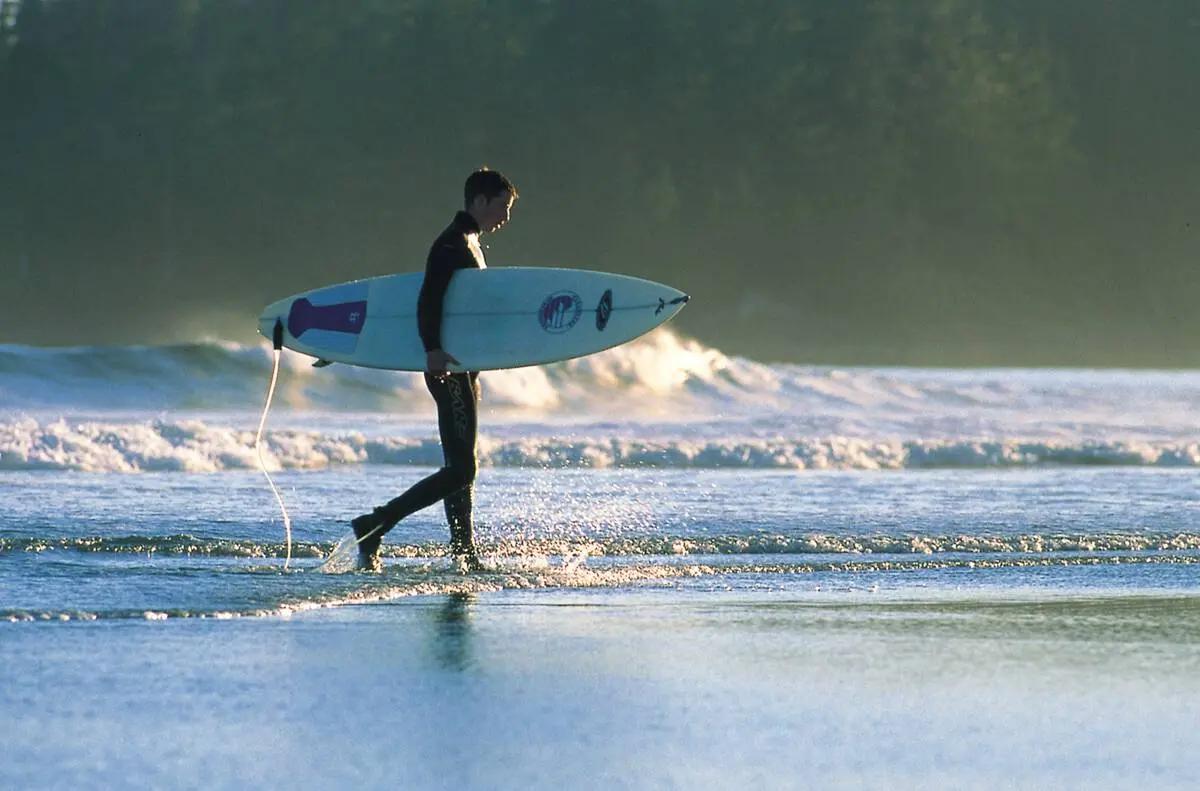
Long Beach (BC) - Pacific surf and storm-walk heaven on Vancouver Island. Credit: Destination BC/JF Bergeron
Type: Pacific ocean beach · Best for: Beginner surf, tidepooling, winter storms
Backed by temperate rainforest, this sandbar absorbs swell into friendly beach breaks. Shops in Tofino/Ucluelet kit you out; a full wetsuit (plus boots/gloves in winter) is standard. When waves roar, non-surfers prowl for shells and sea stars at low tide. Respect rip currents and posted surf flags.
Basin Head, Prince Edward Island - The Singing Sands
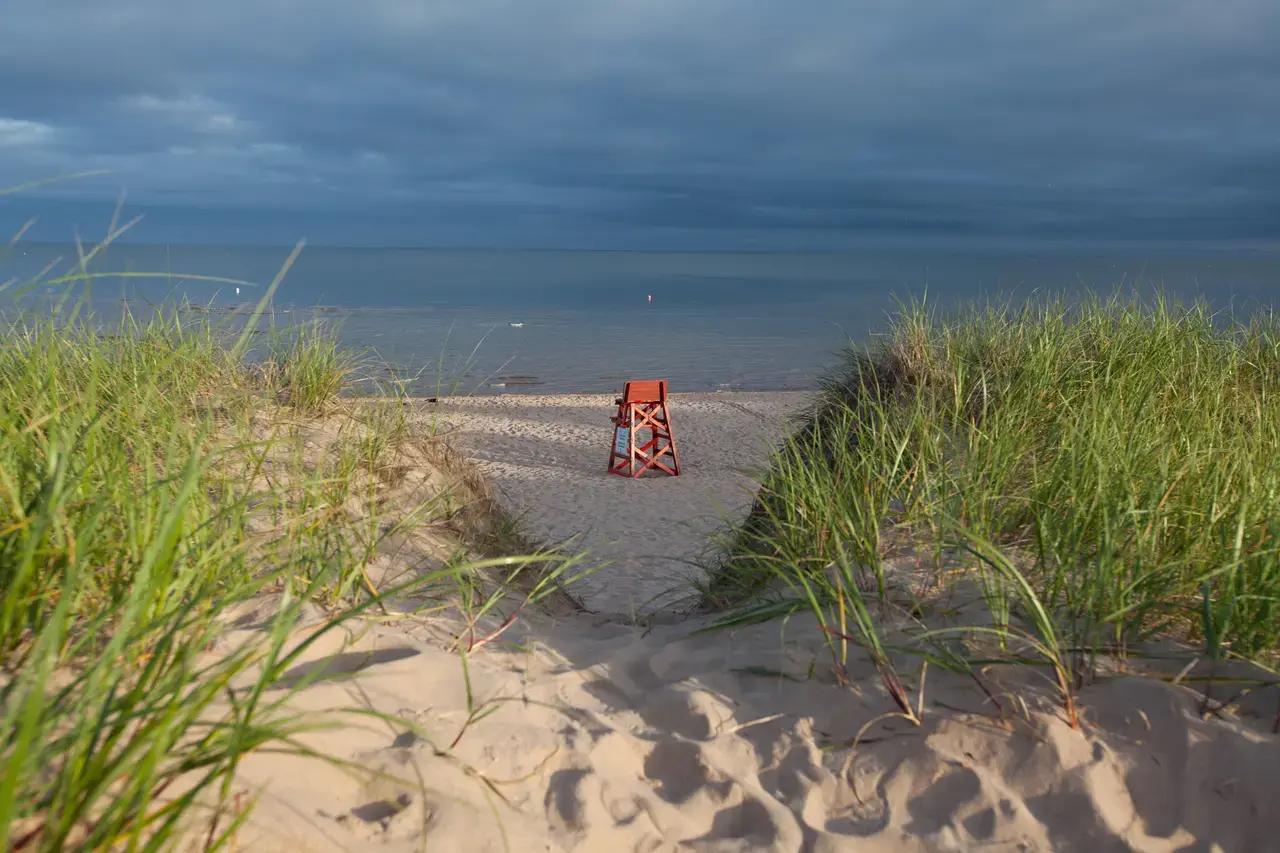
Basin Head (PEI) - famous singing sands and warm shallow waters for families. Credit: Canadian Tourism Commission
Type: Atlantic beach · Best for: Warm shallows, families
Fine silica sands squeak underfoot while warm, shallow waters ease kids into the ocean. Boardwalks, lifeguards in season, and the nearby Fisheries Museum make easy day plans. Summer festivals and island seafood shacks complete the picture. Arrive early on hot weekends; the secret’s out.
Parlee Beach, New Brunswick - Warmest Salt Water (Often Among)
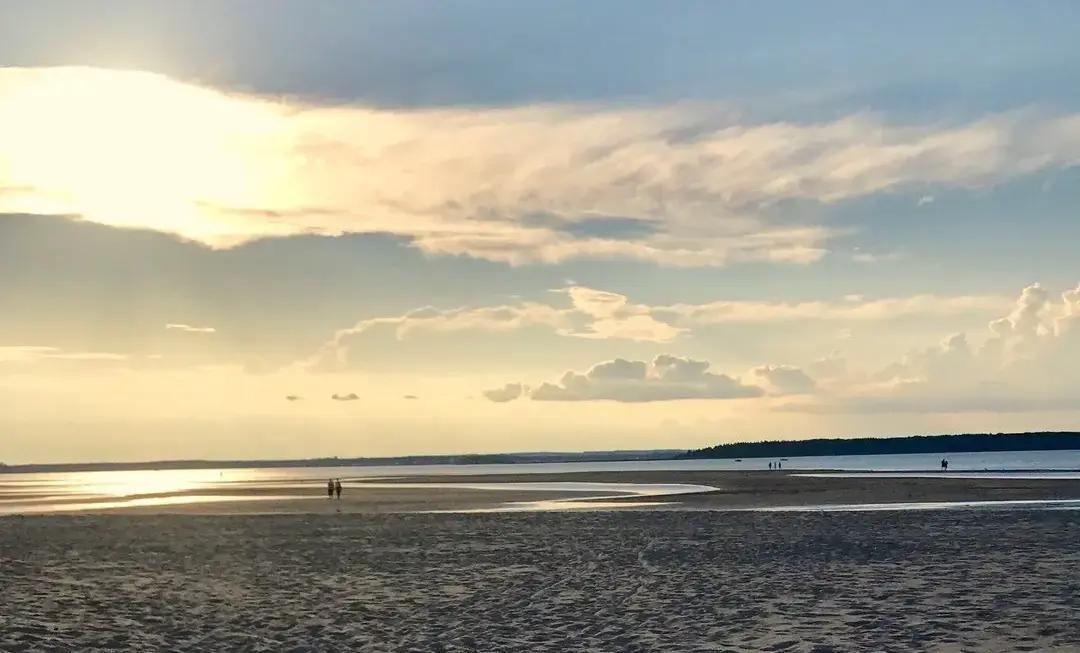
Parlee Beach (NB) - often Canada's warmest salt-water beach near Shediac. Credit: Tourism New Brunswick
Type: Atlantic beach · Water: Among Canada’s warmest summer sea temps
Near Shediac, Parlee pairs broad sands with volleyball courts, dunes, and a lively campground. Shallow gradients create comfortable swimming on sunny days. Lifeguards operate in season; respect dune fencing. Bonus: the giant lobster photo-op in town. Peak warmth typically late July–August.
Grand Beach, Manitoba - Dunes & Freshwater Whitesand

Grand Beach (MB) - prairie white-sand dunes meet freshwater Lake Winnipeg. Credit: Travel Manitoba
Type: Freshwater (Lake Winnipeg) · Best for: Family beach days, wind sports
Sugary sand and big dunes make this prairie classic feel coastal. Warm lake shallows, boardwalk snacks, and designated swim areas suit families; breezier afternoons tempt windsurfers and kiteboarders. Provincial park facilities support day trips or camping; sunsets glow pink across the lake.