8 places to visit in Canada during the summer
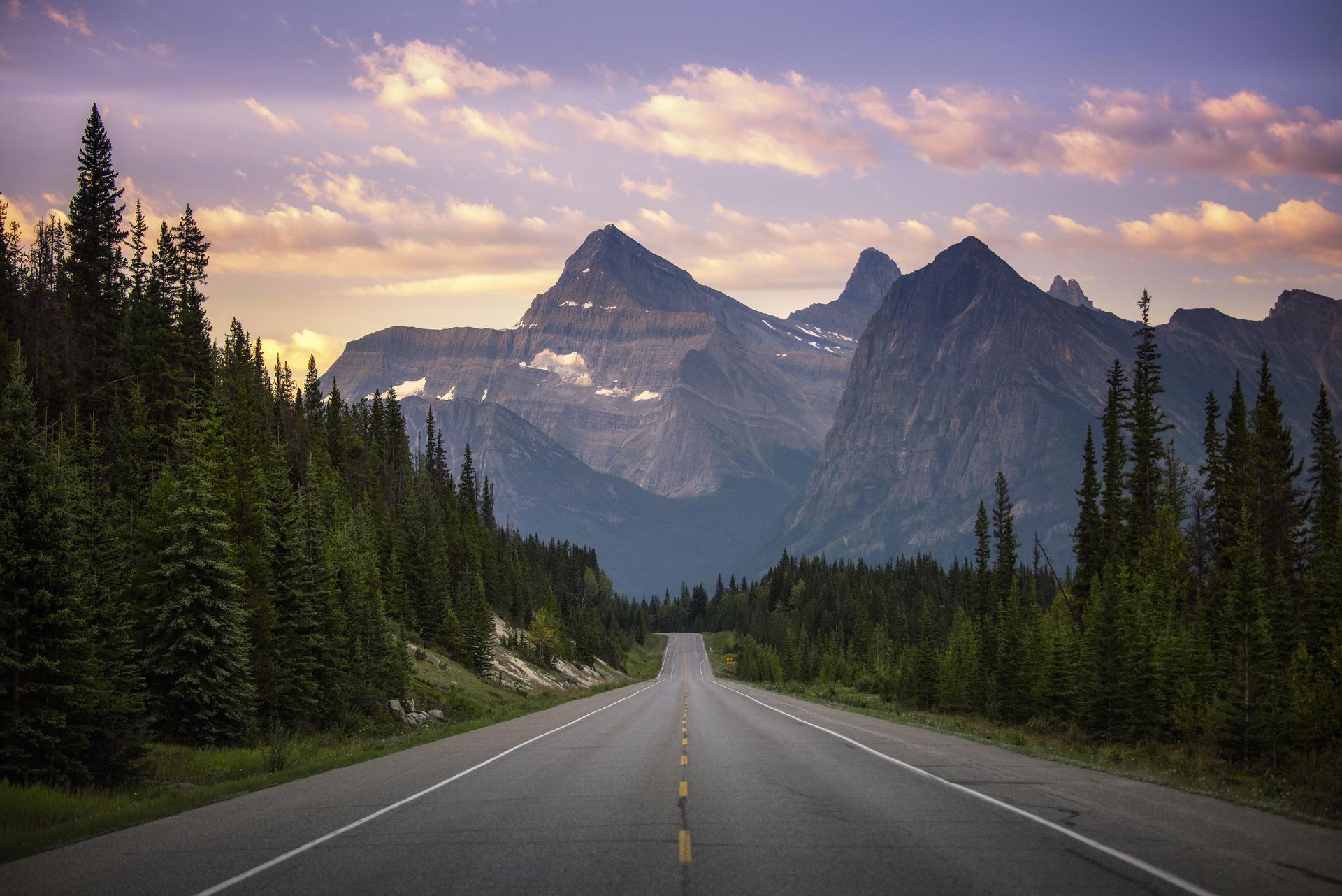
Canada's wide-open roads and towering mountain peaks, from Banff to Jasper, summer in the Canadian Rockies is where the scenery stops you in your tracks.
Some places just do summer better. Canada is one of them.
While much of the US swelters through 95–110°F days in July and August, many Canadian destinations settle comfortably into the 70s and low 80s. When Phoenix climbs past 110°F and Dallas pushes into humid 90s, Banff hovers around 70°F, and cities like Vancouver and Montreal stay warm but breathable. It’s summer you can step into, not escape from.
That comfort changes how the days unfold. In early summer, daylight stretches to nearly 16 hours, giving you time for a morning hike, an afternoon swim, and a late patio dinner without watching the clock. In late June, sunset in Vancouver is close to 9:45 p.m., keeping outdoor time going well into the evening. The pace feels open, not compressed.
And getting here is just as easy. Major US cities are a short flight or scenic drive away, so swapping extreme heat for fresh air doesn’t require much effort. Once you arrive, the value becomes clear: fewer crowds than other peak-summer hotspots, room to roam, and, with the US dollar often going further, accommodations, dining, and outdoor experiences that feel comparatively well priced.
There’s also a timely reason to look north. Toronto and Vancouver will host matches during the 2026 FIFA World Cup, putting both cities on the global stage.
Where are the best places to visit in Canada during the summer?
Canada’s size means summer looks different depending on where you go.
Some places are made for slow days by the water, others for coastal drives, alpine hikes or city festivals. The experience shifts with the landscape, but each destination brings something distinct to the season.
1. Vancouver, British Columbia
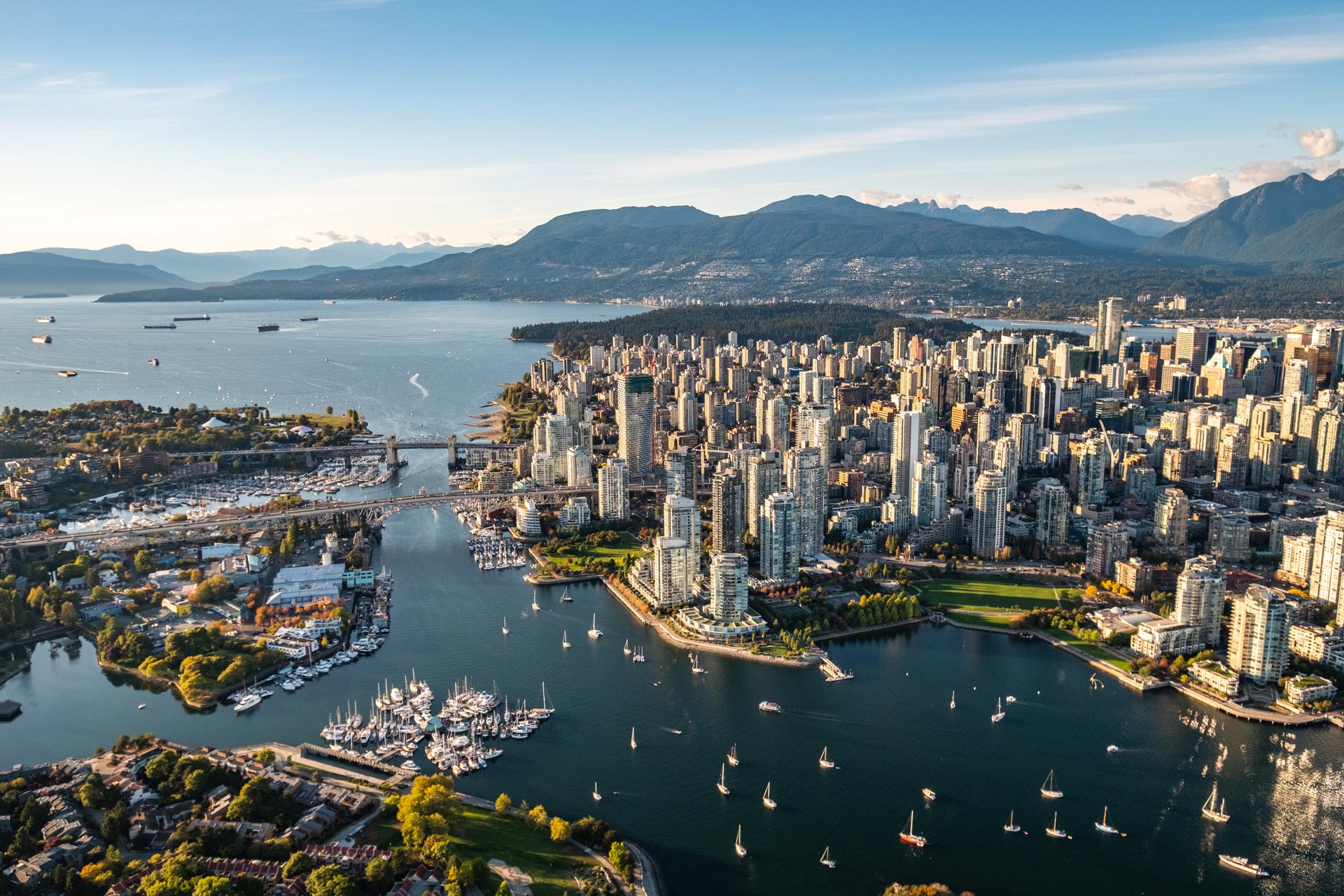
Vancouver sits at the edge of the ocean and mountain, a summer destination where cycling the Stanley Park Seawall, paddleboarding in False Creek, and beach days with skyline views are all part of the same afternoon.
Vancouver is where city life meets the sea, and summer is when the whole place spills outdoors. The season is mild and dry, perfect for cycling the Stanley Park Seawall, paddleboarding in False Creek, or lounging on a city beach with mountain views.
Hop on a ferry to explore the Gulf Islands, or take a day trip to Whistler for alpine hikes and lakeside picnics. Vancouver is one of the most accessible places to go in Canada in summer, especially for Americans coming from the west coast.
Looking for coastal trails with ocean views? You’ll find them minutes from downtown Vancouver. Trails in Pacific Spirit Regional Park and along the North Shore wind through coastal rainforest to sea cliffs and quiet beaches, combining forest canopy with open Pacific horizons.
While Seattle can see stretches of upper 80s and 90s in peak summer, Vancouver’s coastal breeze keeps most afternoons in the 70s, making full-day outdoor exploring far more comfortable.
Average July temperature: 72–75°F (22–24°C)
Best for: Coastal city energy and ocean-to-mountain access
Why over Seattle? Bigger alpine backdrops, glacier-fed lakes within reach, and a seamless blend of urban culture and wilderness.
2. Banff and Jasper, Alberta
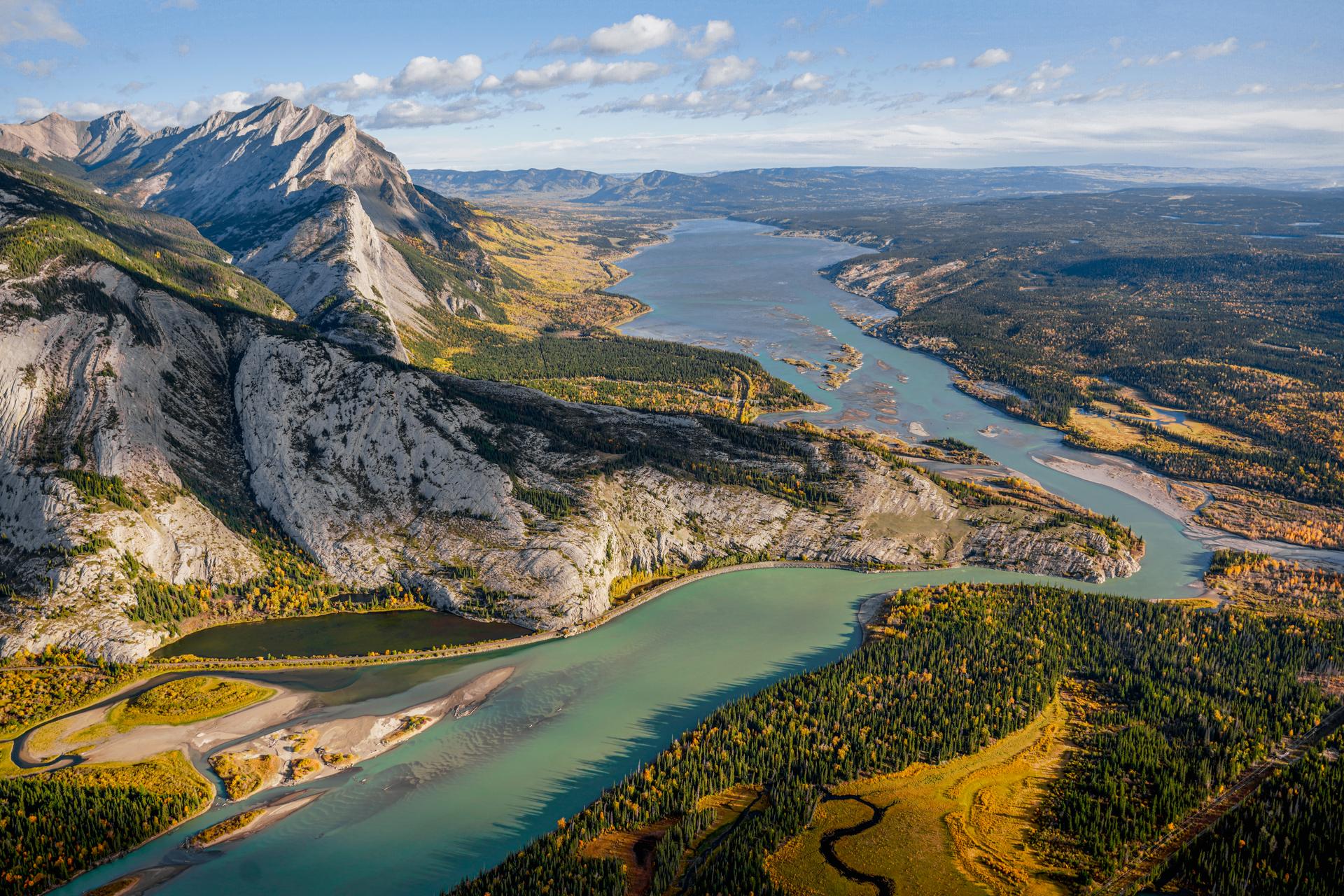
Jasper National Park's glacier-fed rivers and alpine valleys make it one of Canada's most visited summer destinations, best explored by canoe, trail, or driving the Icefields Parkway.
If big nature is on your list, the Canadian Rockies deliver.
While much of the American Southwest pushes past 100°F in mid-summer, Banff and Jasper often sit comfortably in the low 70s (°F), ideal for long hikes, scenic drives, and unhurried days outside.
Searching for the best summer road trip through national parks? The Icefields Parkway between Banff and Jasper is one of North America’s most scenic drives, linking glaciers, turquoise lakes, wildlife corridors, and high mountain viewpoints in a single 145-mile stretch.
Banff and Jasper anchor the region, where protected landscapes stretch from glacier-fed rivers to rugged backcountry trails. July brings peak wildflower blooms along routes like Sunshine Meadows, while wildlife sightings—elk, bighorn sheep, mountain goats, and black bears—are common along valley roads and open meadows.
At Lake Louise, take in the landscape at water level via canoe. Even in peak season, the lake stays brisk at around 50°F (10°C), a refreshing contrast to many overheated reservoir lakes in the Southwest.
Campgrounds within Banff and Jasper National Parks typically open reservations in January and fill quickly for July and August, so early planning is key for US road trippers.
Average July temperature: 70–72°F (21–22°C)
Best for: National park road trips and glacier-fed lakes
Why over Glacier National Park? Larger protected area network and the Icefields Parkway connecting multiple alpine ecosystems in one drive.
3. Toronto, Ontario

Toronto's summer happens outside. Waterfront patios, open-air markets, and neighbourhood food culture make Canada's largest city one of the most accessible summer destinations for US travellers.
Toronto in summer is a city that lives outside: waterfront walks, food trucks, open-air markets, and pop-ups in full swing.
Set on Lake Ontario, the city balances culture and outdoor living, with waterfront cycling routes and easy ferry access to the Toronto Islands. Sidewalk cafes and neighborhood food walks reflect Toronto’s diverse culinary scene, shaped by global influences and local creativity.
Freshwater lake swimming, sandy beaches, and skyline views also make this a standout Canada summer travel experience for urban explorers. While some US Great Lakes cities can feel intensely humid in July, steady lake breezes help moderate Toronto’s peak heat. By late July, designated swimming beaches on Lake Ontario often reach the low 70s°F (21–23°C), warm enough for full beach days, without ocean salt or heavy surf.
Summer also brings major events, including the Toronto Caribbean Carnival in late July to early August, alongside outdoor film screenings and music festivals throughout the season.
Toronto works well as a base, too. Pair your city stay with a side trip to Niagara Falls or explore the nearby wine region. Buffalo is about a 1.5-hour drive away, and Detroit roughly four hours, making Toronto one of the easiest Canadian summer getaways for US road trippers.
Average July temperature: 80°F (27°C)
Best for: Lakefront city summers and diverse food scenes
Why over Chicago? Freshwater beaches, skyline views, and quick access to wine country and Niagara Falls in one trip.
4. Montreal, Quebec
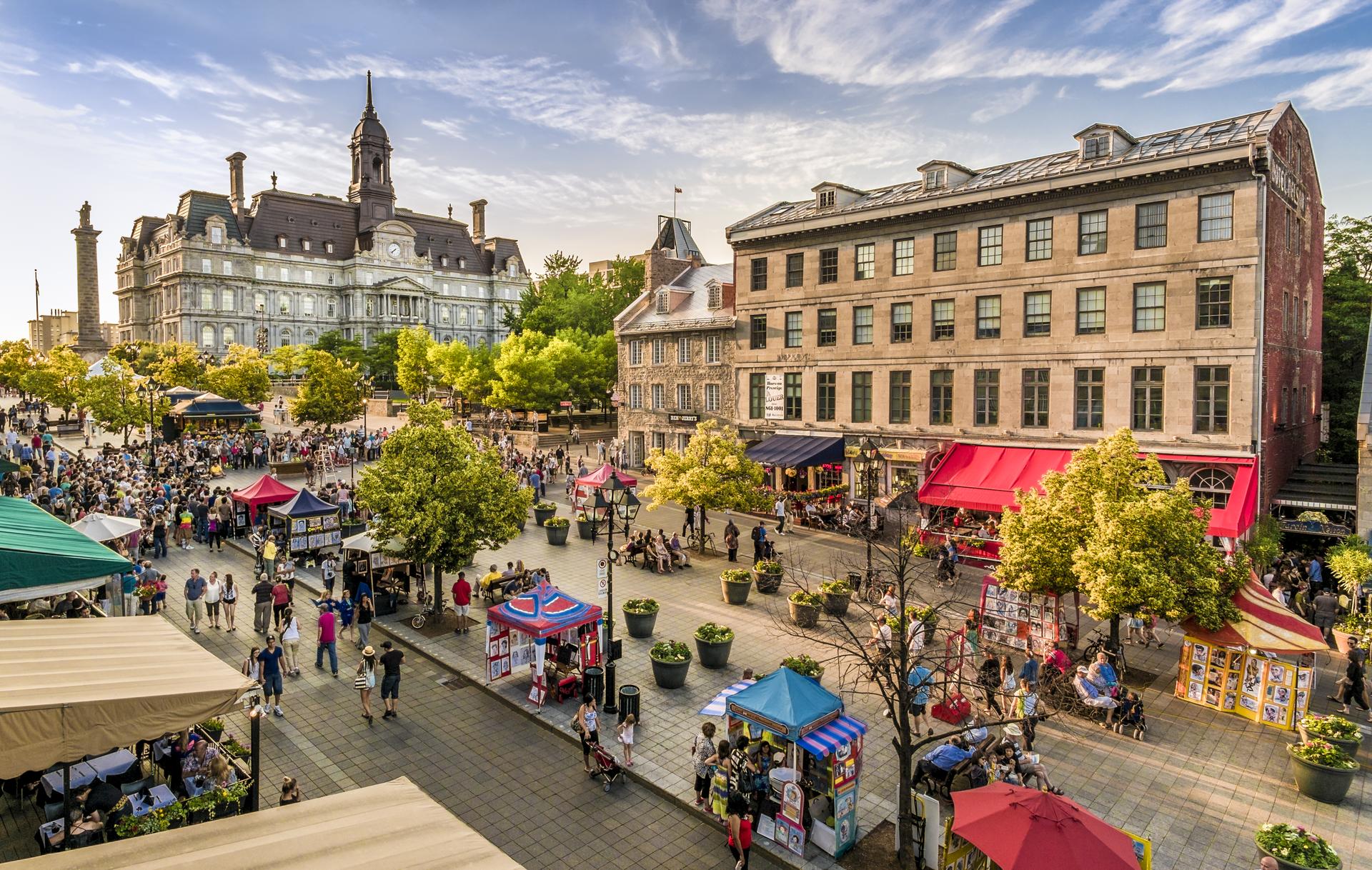
Montreal is one of Canada's top summer destinations, known for its packed festival season, open-air dining, and a street culture in Old Montreal that feels distinctly European without the transatlantic flight.
Credit: © GouvQc Stéphan Poulin
Montreal is widely considered one of the top Canada summer destinations, thanks to its lively street culture and packed festival season.
The season is anchored by signature events like the Montreal International Jazz Festival (late June–early July), one of the largest jazz festivals in the world, with hundreds of performances across indoor venues and free outdoor stages.
Throughout the summer, entire neighborhoods come alive. Streets close to traffic, patios expand into public squares, and pop-up performances and community food events give the city the feel of an ongoing block party.
Between festival sets, the city invites a slower rhythm. Wander the cobblestone streets of Old Montreal or cycle along the Lachine Canal, where waterfront paths offer a scenic, unhurried way to experience the city.
For US travelers, Montreal offers a cultural experience that feels distinctly European without the transatlantic flight.
Average July temperature: 79°F (26°C)
Best for: Festivals and European-style street culture
Why over New Orleans? Comparable summer energy with cooler evenings, French-inspired cuisine, and cobblestone streets.
5. Niagara Falls and Southern Ontario
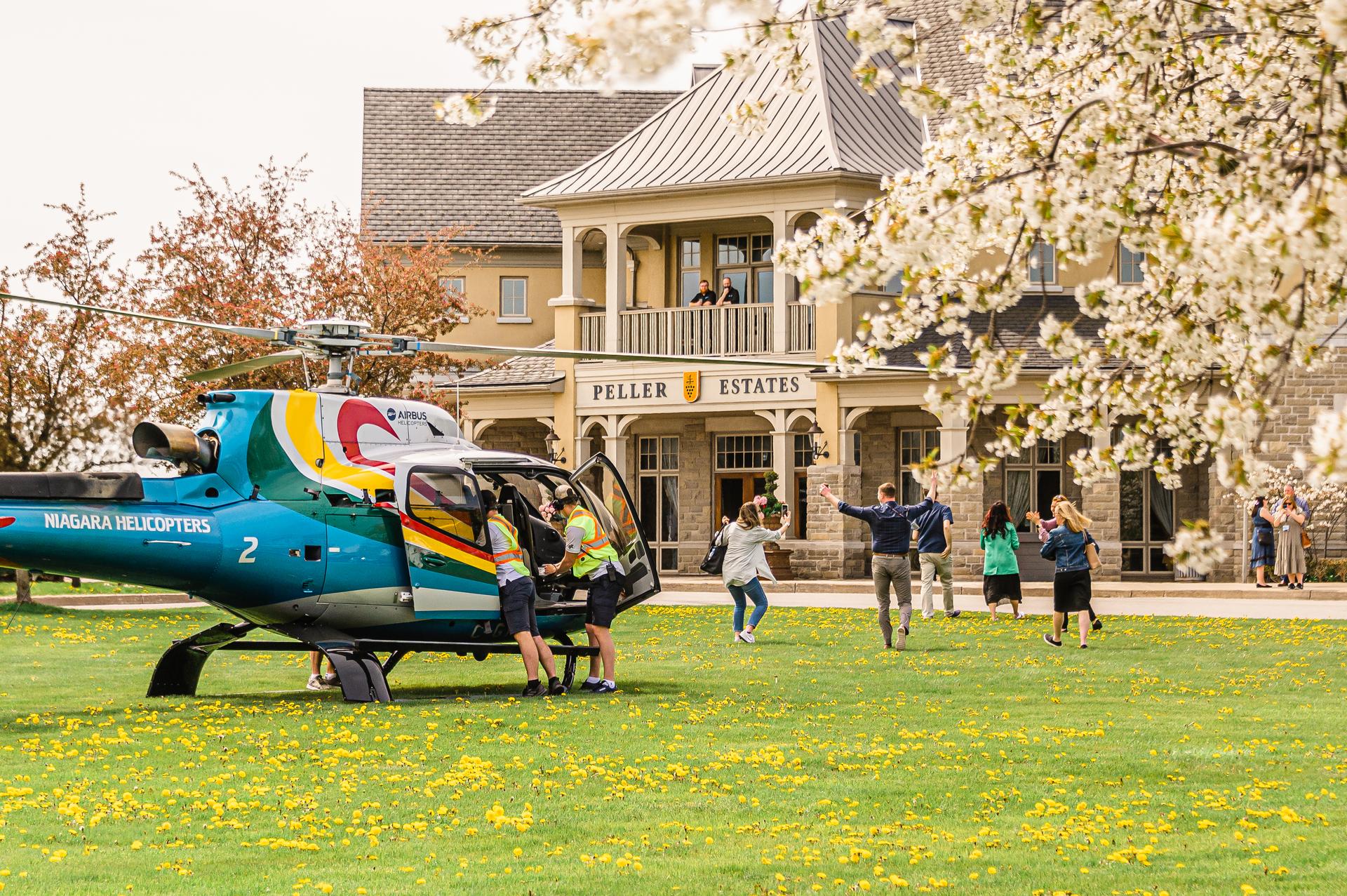
Wine country, small-town charm, and the Falls just down the road, the Niagara region has a lot more going on than most visitors expect.
Just a short drive from the US border, Niagara Falls is one of Canada’s most iconic summer sights. But the Falls are just the beginning.
As the weather warms, the wider Niagara region settles into its most vibrant season. Riverfront paths fill with cyclists and walkers, gardens are in full color, and boat tours head straight into the spray. Just beyond the Falls, vineyards and orchards are at their peak, with patios and tasting rooms in full swing.
By late summer, Lake Ontario reaches the low 70s°F (21–23°C), warm enough for swimming and slow afternoons by the water. Nearby, Niagara-on-the-Lake offers a quieter counterpoint: leafy streets, lakeside trails, heritage buildings, and intimate wineries. Together, it makes for a summer trip that balances natural spectacle with an easy, small-town pace—all within reach of New York State.
Average July temperature: 78°F (26°C)
Best for: Iconic natural wonders and wine country
Why over other waterfall destinations? A world-famous cascade paired with walkable historic towns and lakeside vineyards.
6. Quebec City, Quebec

Quebec City's Old Town transforms in summer, candlelit terraces spill onto cobblestone streets beneath the iconic Château Frontenac, blending French-inspired cuisine with UNESCO World Heritage atmosphere.
Credit: © GouvQc Emmanuel Coveney
Quebec City is like walking into a European postcard—only with warmer weather and riverside views. Warmer months are ideal for exploring its cobblestone streets, historic ramparts, and cafe-lined squares. As North America’s only remaining walled city and a UNESCO World Heritage Site, the fortified Old Town rewards slow wandering. Outdoor terraces fill the streets, serving everything from rustic Quebecois dishes to refined, seasonal tasting menus.
Along the St. Lawrence River, waterfront promenades offer space to stroll and take in the view, giving the city an easy rhythm that encourages you to linger a little longer.
Boston to Quebec City is roughly a five-hour drive, making it an accessible option for summer vacations in Canada from the Northeast US.
Average July temperature: 77°F (25°C)
Best for: Historic charm and riverside strolling
Why over Charleston or Savannah? European architecture, fortified city walls, and St. Lawrence River views that feel centuries removed from modern North America.
7. Whistler, British Columbia

Whistler's summer side is built for mountain bikers, hikers, and anyone who wants cooler temperatures and world-class trails through old-growth forest in British Columbia.
Credit: Tourism Whistler, Justa Jeskova
Think Whistler is just for snow? Think again.
When the snow melts, the trails open, the lakes warm up, and the whole place shifts into high gear for warm-weather adventure.
Hop on a gondola for panoramic views, or explore the Valley Trail by bike, with cycling routes connecting Whistler Village and Lost Lake through forested terrain. Alpine meadows bloom with wildflowers in July, and wildlife sightings—everything from black bears to marmots—are common along valley trails and forest edges.
By late July, Lost Lake warms to around 68–72°F (20–22°C), making it swimmable without the high-altitude chill common in many Colorado mountain lakes. While Colorado’s mountain towns can still see 85–90°F days in midsummer, Whistler’s coastal-influenced climate keeps afternoons more moderate and evenings comfortably cool.
Average July temperature: 73°F (23°C)
Best for: Alpine hiking and wildlife viewing
Why over Colorado mountain towns? Glacier-fed lakes, coastal rainforest ecosystems, and ocean-to-alpine landscapes within a single day trip.
8. Prince Edward Island
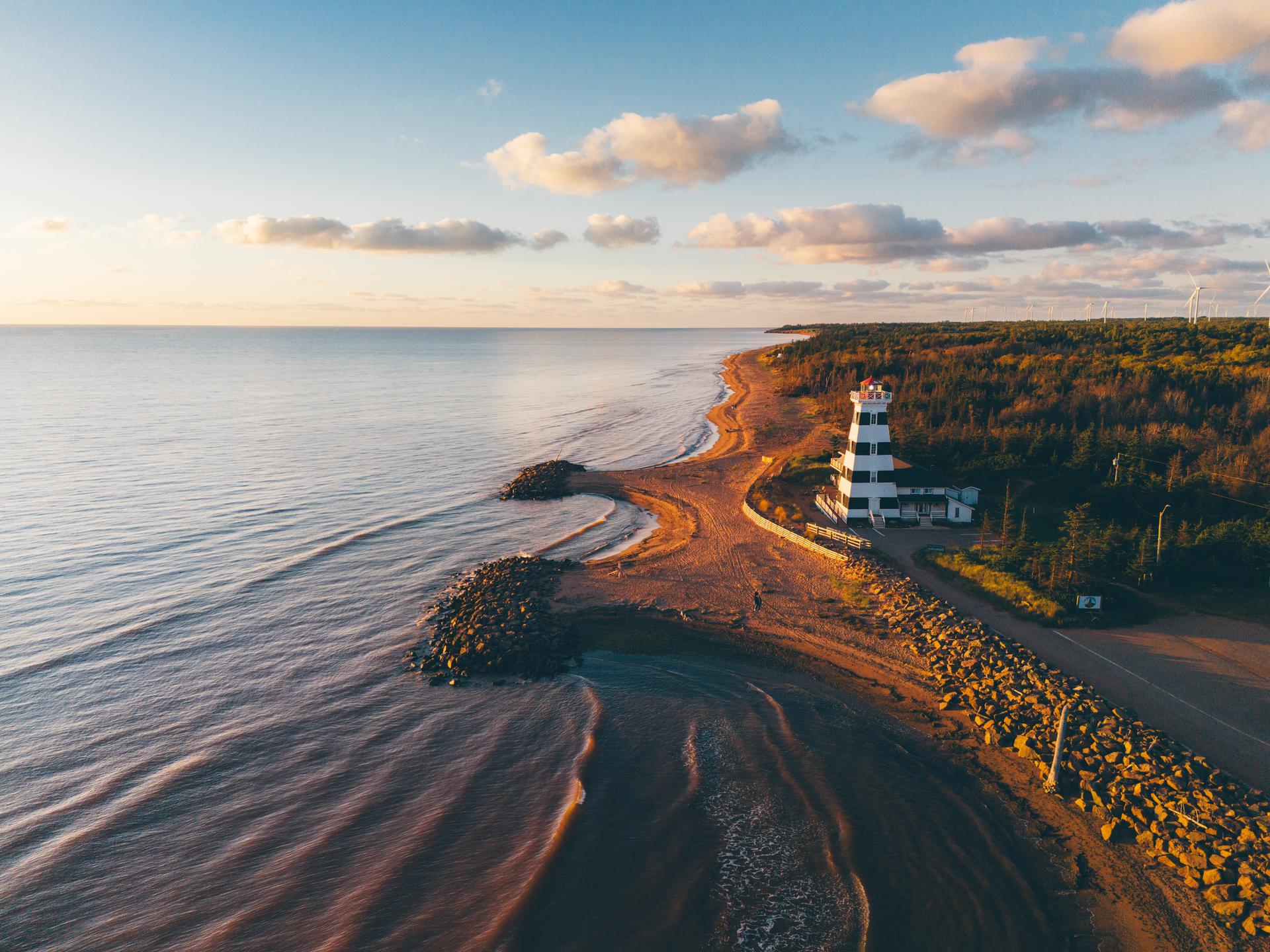
Prince Edward Island's red sand shores and historic lighthouses make it one of Canada's most scenic coastal summer destinations, best experienced at golden hour when the whole island seems to glow.
Prince Edward Island is where summer slows down. Red sandstone cliffs, rolling farmland, quiet harbors, and sandy beaches define this Atlantic escape.
Cycle sections of the Confederation Trail, wander through small fishing villages, or time your visit with one of the island’s food and music festivals that bring coastal communities together each season.
Summer events like the Cavendish Beach Music Festival and seasonal seafood celebrations bring coastal communities together during peak season.
By August, Northumberland Strait waters can reach 68–72°F (20–22°C), among the warmest ocean swimming temperatures in Canada.
By comparison, Cape Cod’s Atlantic waters often remain several degrees cooler due to offshore currents, making PEI one of the warmest ocean-swimming summer destinations in Canada during late summer.
PEI offers a different pace of Canada summer travel: smaller towns, wide beaches, and long evenings by the water.
Average July temperature: 73°F (23°C)
Best for: Coastal trails, small-town festivals, and warm-water ocean swimming
Why over Cape Cod? Red sandstone cliffs, fewer crowds, and warmer late-summer ocean temperatures.
East Coast vs. West Coast summers in Canada: What’s the difference?
For US travelers deciding between coasts, the difference often comes down to climate and proximity. West Coast destinations like Vancouver and Whistler are within a few hours’ drive of Seattle and offer ocean air with alpine terrain. Eastern and Atlantic Canada are easily reached from Boston, New York, and the Midwest, delivering warmer coastal waters, historic architecture, and road-trip-friendly distances. In both regions, summer temperatures generally stay below the prolonged triple-digit heat common in parts of the southern United States.
Summer looks different across Canada, and that’s part of the appeal.
West Coast summers are known for milder temperatures, ocean breezes, and dramatic mountain backdrops. Expect daytime averages in the low to mid-70s°F, coastal trails with ocean views, and easy access to alpine hiking within a short drive of the city. For US travelers coming from the Pacific Northwest, accessibility is seamless, with Vancouver just a few hours from Seattle.
Eastern and Atlantic Canada bring warmer water, historic architecture, and a slower coastal rhythm. Daytime highs often sit in the mid-to-high 70s°F, and late summer ocean temperatures in PEI can reach the high 60s to low 70s°F. The region leans into walkable old towns, waterfront promenades, and small communities that feel especially alive during peak festival season.
Central Canada delivers classic lake summers: freshwater swimming, sandy beaches, wine country, and vibrant urban energy. It’s one of the easiest regions to reach by car from the Midwest and Northeast US, making it ideal for road-based summer vacations in Canada.
Wherever you go, places to visit in Canada during the summer range from alpine highways and glacier-fed lakes to red-sandstone beaches and cobblestone streets—all within one country.

Credit: Loïc Romer, Tourisme Montréal
When is the best time to visit Canada in summer?
Canada’s summer travel season generally runs from June through September. July and August are the warmest and most popular months, especially in national parks and major cities.
Long daylight hours in June and July mean visitors can explore well into the evening, particularly in northern and western regions.
For travelers seeking a balance between warm weather and fewer crowds, early June and September can offer excellent conditions for summer vacations in Canada.
Canada summer travel by month
- June: Wildflowers bloom in alpine regions, daylight stretches well past 9:30 p.m. in many cities, and early summer pricing can make summer holidays in Canada especially appealing.
- July: Peak warmth in most regions, major festivals in cities like Montreal and Toronto, and ideal conditions for a summer road trip through national parks.
- August: Lakes reach their warmest temperatures, ideal for freshwater swimming and long cottage weekends.
- September: Fewer crowds, early hints of fall color in northern regions, and some of the best value for places to visit in Canada during the summer.
Quick facts for US travelers
- Seattle to Vancouver: ~2.5-hour drive
- Buffalo to Toronto: ~1.5-hour drive
- Detroit to Toronto: ~4 hours
- Boston to Quebec City: ~5-hour drive
- New York City to Montreal: ~6-hour drive
- Chicago to Toronto: ~8-hour drive
- Best value months: June and September (shoulder season)
- Daylight in June/July: Up to 15–16 hours in many regions
- A valid passport is required for border crossings
Popular crossings such as Peace Arch (Washington–British Columbia) and Rainbow Bridge (New York–Ontario) can see longer waits on peak summer weekends, while weekday mornings are typically smoother. Travelers can check real-time border wait estimates before departing to plan drive times efficiently.
Why visit Canada this summer?
For US travelers, visiting Canada this summer means experiencing a wide range of landscapes and cultures without venturing far from home. From coastal cities and mountain parks to historic urban centers, Canada offers variety that’s best experienced during the summer months.
For visitors planning a short road trip or a longer itinerary, these destinations represent Canada’s top summer spots combining comfort, accessibility, and seasonal experiences, making summer vacations in Canada both easy to plan and unforgettable.