Your getaway guide to Calgary and beyond
Our top picks for a quick fall getaway
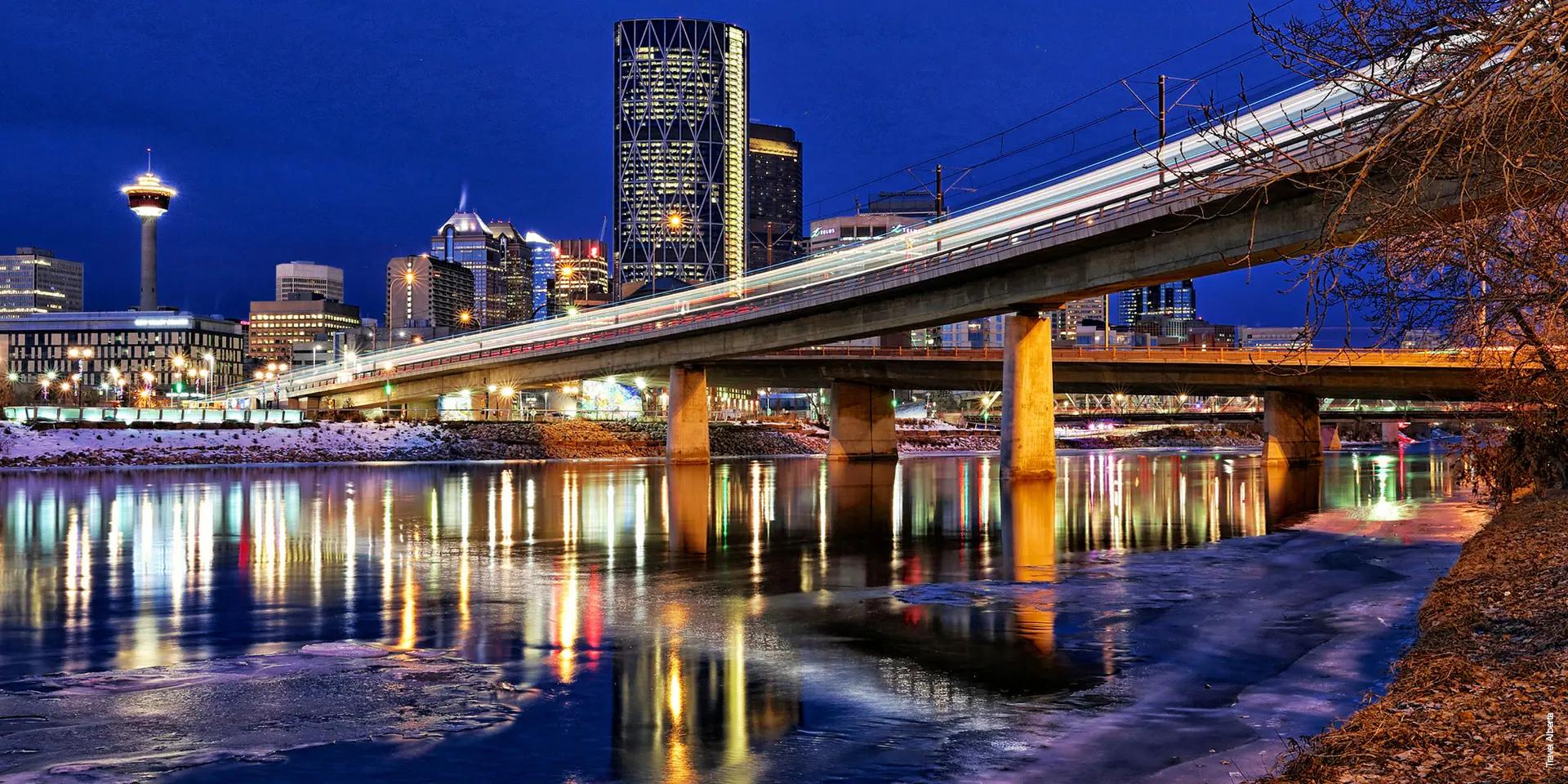
Alberta's largest city defies comparisons, thanks to its unexpected mix of urban hotspots entwined with peaceful river valleys and mountain foothills. A deep connection to Indigenous heritage, ranching history and natural landscapes have all shaped Calgary, as seen in its vibrant festivals, fascinating food culture, and flourishing craft beer and spirits scene. The city is an excellent jumping off point to explore wide-open prairies, rugged backcountry and captivating icefields.
For a trip that loops through five Alberta destinations across three to five days, start in Calgary to enjoy the dining and craft-beverage scene. Then head west to Canmore, Banff and Lake Louise in the Canadian Rockies. Continue north to Jasper along the Icefields Parkway, a 145-mile route that passes glaciers and waterfalls. Push northeast to Edmonton, the provincial capital, then stop in Red Deer before returning to Calgary. Each stop pairs outdoor adventure with local food, craft beer and distinctive lodging, from Calgary's Hotel Arts to Jasper's Glacier View Lodge.
Taking this trip in fall is a great decision, as fall is Calgary’s peak season, with October bringing the Rocky Mountain Wine and Food Festival, the Banff Centre Mountain Film and Book Festival, and the 10-day Jasper Dark Sky Festival in the world's largest accessible dark sky preserve.
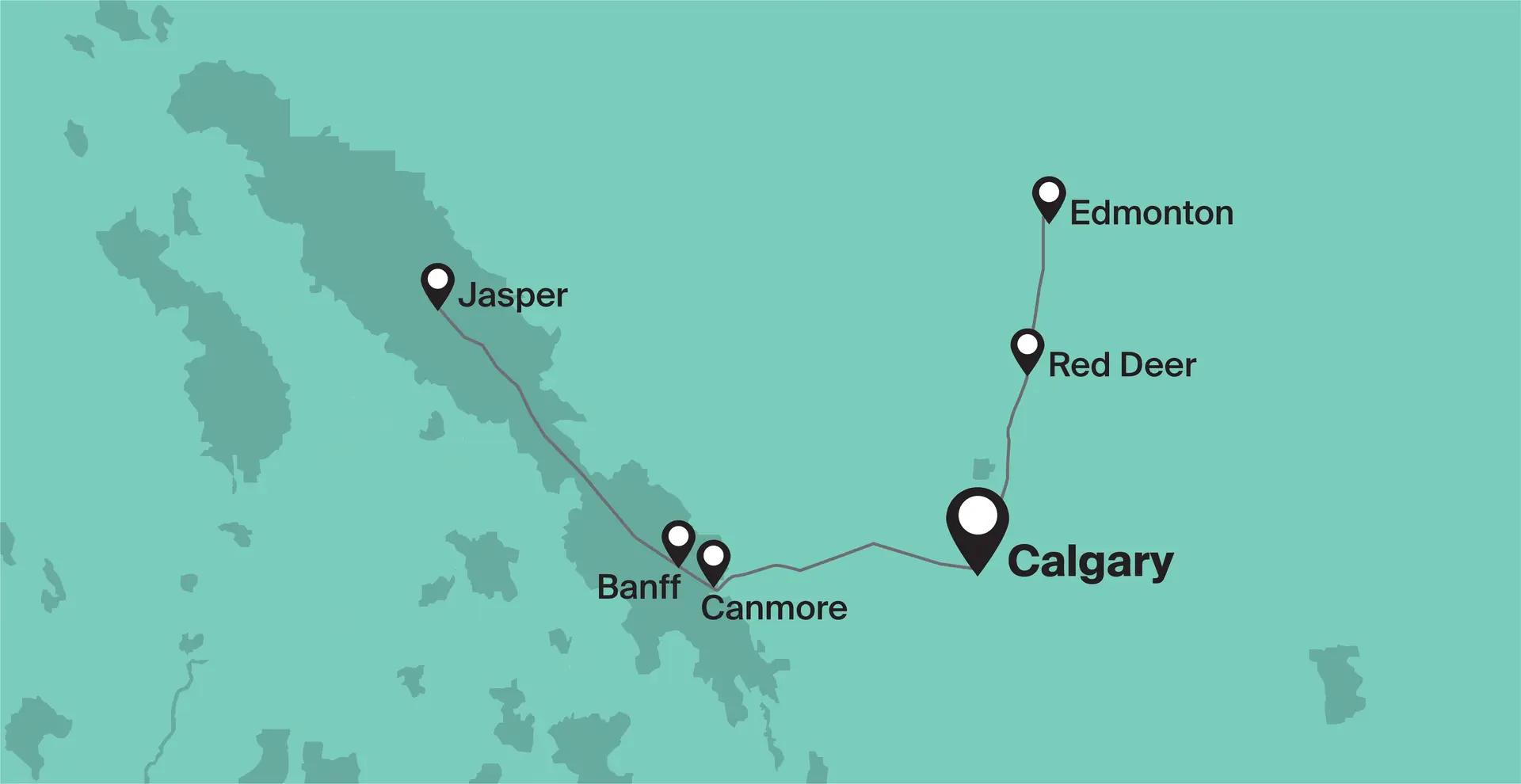
A three-to-five-day loop from Calgary through the Rockies to Jasper, then back via Edmonton and Red Deer.
Quick facts
- Route: Circle route from Calgary through Canmore, Banff/Lake Louise, Jasper, Edmonton and Red Deer
- Suggested duration: 3-5 days
- Best season: Fall (many festivals held in October)
- Calgary to Canmore: 65 miles / 75-minute drive
- Canmore to Banff/Lake Louise: 15 miles / 25-minute drive
- Banff/Lake Louise to Jasper: 180 miles / 3.5-hour drive
- Jasper to Edmonton: 226 miles / 4-hour drive
- Edmonton to Red Deer (toward Calgary): 96 miles / 1.75-hour drive
- Icefields Parkway length: 145 miles
- Columbia Icefield Skywalk height: 918 feet above the Sunwapta Valley
- Mount Rundle elevation: 9,600 feet
- UNESCO World Heritage sites en route: Banff National Park, Jasper National Park
- Notable fall events: Rocky Mountain Wine and Food Festival, Banff Centre Mountain Film and Book Festival, Jasper Dark Sky Festival, Edmonton International Film Festival
Calgary
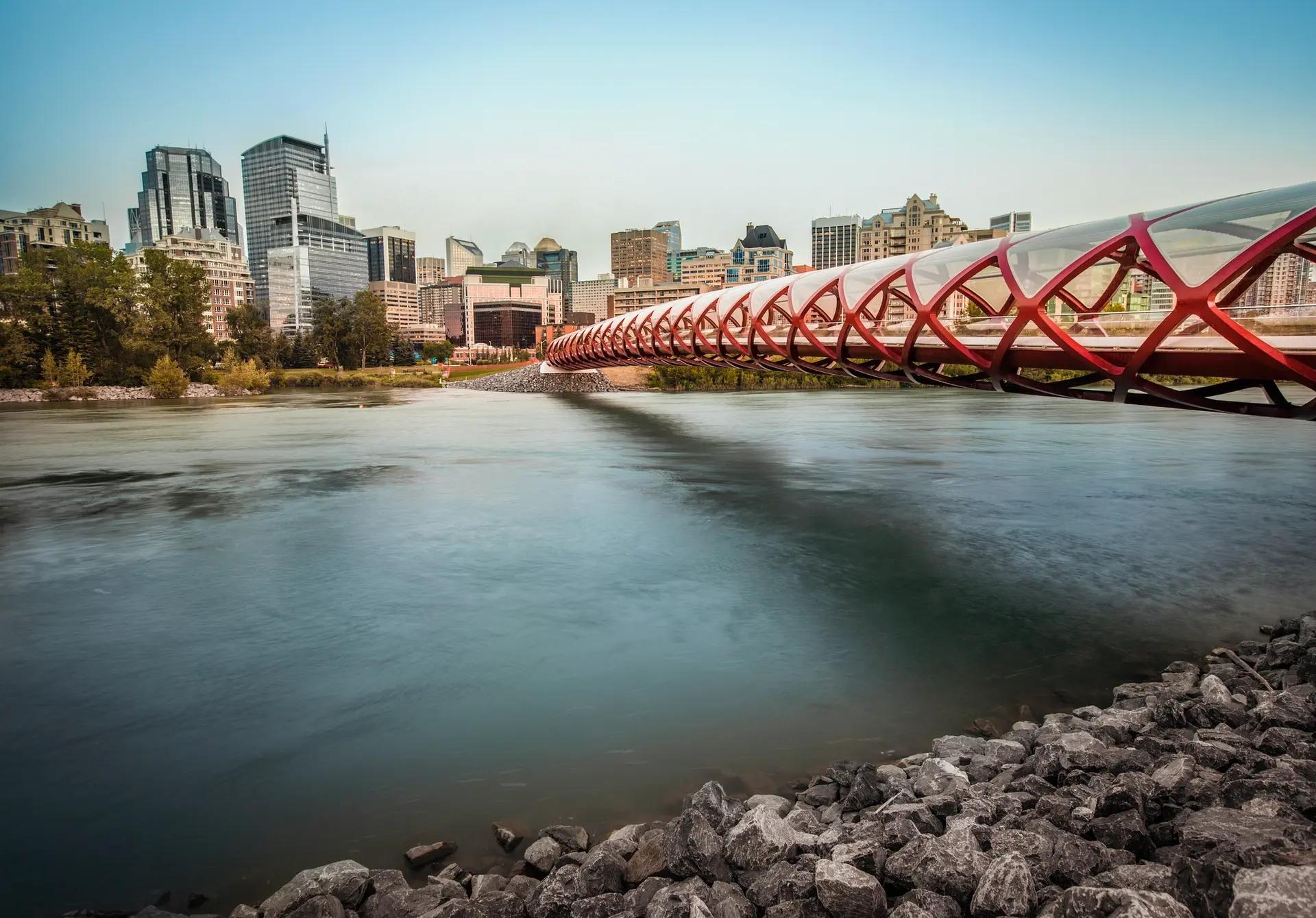
Spanish architect Santiago Calatrava designed the Peace Bridge’s red helix, which opened over the Bow River in 2012.
Start your three-to-five-day Alberta adventure by discovering what makes Calgary a great place to eat and drink.
The Rocky Mountain Wine and Food Festival is the perfect place to learn all about hyper-local, handcrafted, small-batch, gourmet ingredients and flavors unique to Alberta. Held mid-September in Calgary (and early November in Edmonton), the event is a culmination of gourmet bites from the best local restaurants and hotels, plus 700+ options of beer, wine, cider and spirits, made in Canada and beyond. Join more than 20,000 annual visitors to enjoy unique tasting classes and explore handcrafted goods and treats.
Beyond the festival, eating local is still the way to go. Calgary's dining scene is top-notch, with two main restaurants keeping the bar high. The Wilde on 27 is an Michelin Key-recognized dining experience located on the rooftop of the Dorian Hotel. Here, you can find locally sourced cuisine and hand-crafted cocktails made with only the finest ingredients. At Fine Print, the architecture is as incredible as the food. Built in the 1880’s, the Calgary Herald Building (restored to its original appearance in 2003), is now home to Fine Print, whose menu reads like a story with nothing but locally sourced ingredients.
Deane House continues the local-eating theme pioneered by its partner restaurant, the River Café in stunning Prince's Island Park. Located in the Inglewood neighborhood, Deane House focuses on ingredients either foraged or from the farm and prairie, using them to create dishes like beef tartare, as well as their seasonal tasting menu that's a celebration of regional Canadian cuisine. This restaurant emphasizes sustainability, whether it's from their on-site edible garden or by using 100% green energy in their daily operations.
Cap off your evening of eating and drinking by checking into the Hotel Arts downtown, just steps away from trendy restaurants and bars. Spacious suites decked with contemporary art include thoughtful touches like full-size wet bars, balconies, views of the city and a year-round swimming pool (a stellar spot to hang out and sip cocktails). Another urban sanctuary is Le Germain Hotel. Its sleek suites are outfitted with eco-chic amenities like bamboo sheets, and electric vehicle charging stations are available on-site. Traveling with a group of friends? There's room for six in The Apartment Suite, which features open-concept living and dining areas for the ultimate city escape.
Canmore
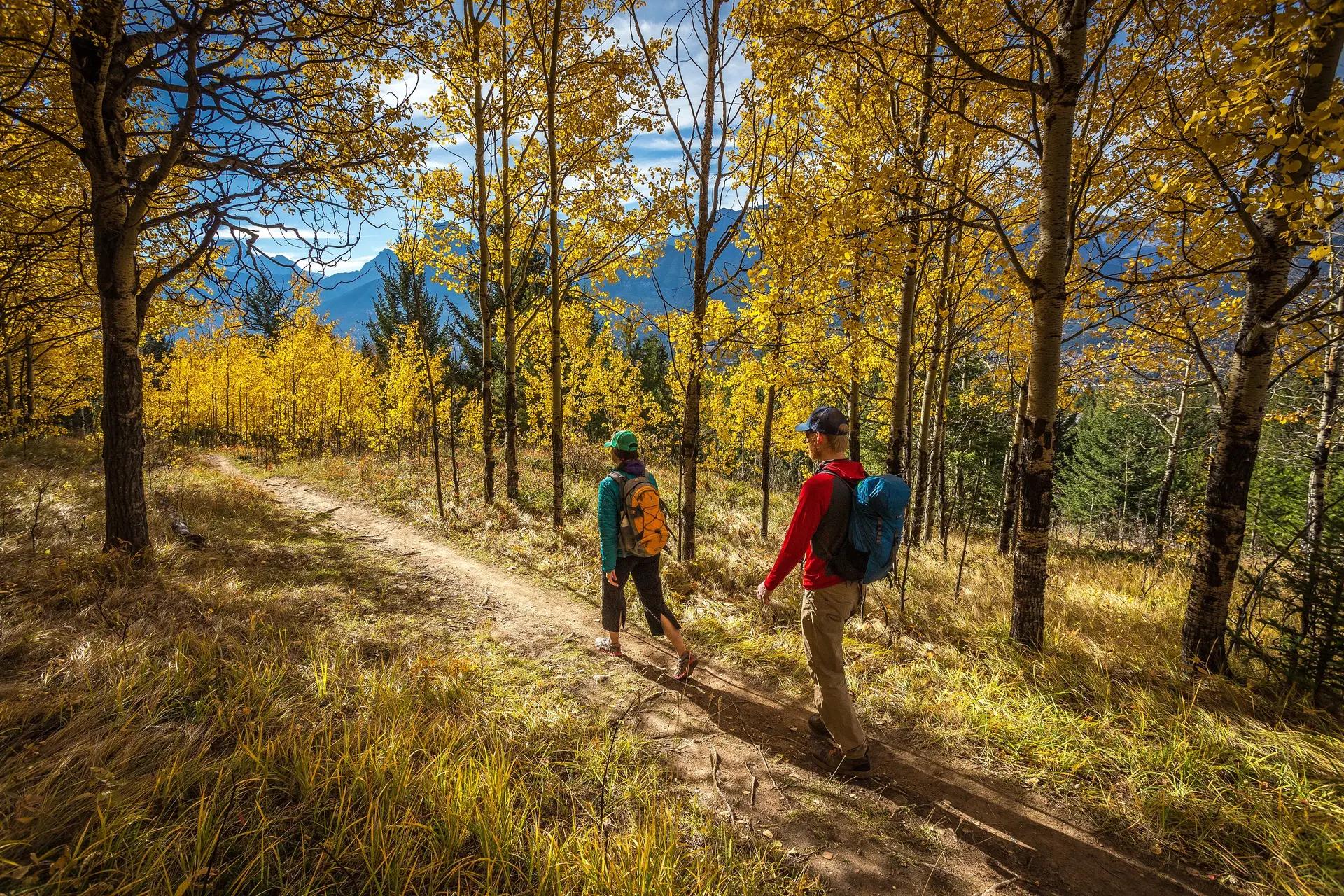
Canmore’s aspen groves usually peak in late September, when their leaves turn gold against the Rockies.
Traveling west on Highway 1 (there's a range of public transit and shuttle services if you don't want to drive), it's not long before Calgary's skyscrapers give way to the Canadian Rockies in Kananaskis Country and the alpine town of Canmore. When you arrive, start by exploring the natural undeveloped caves with Canmore Cave Tours.
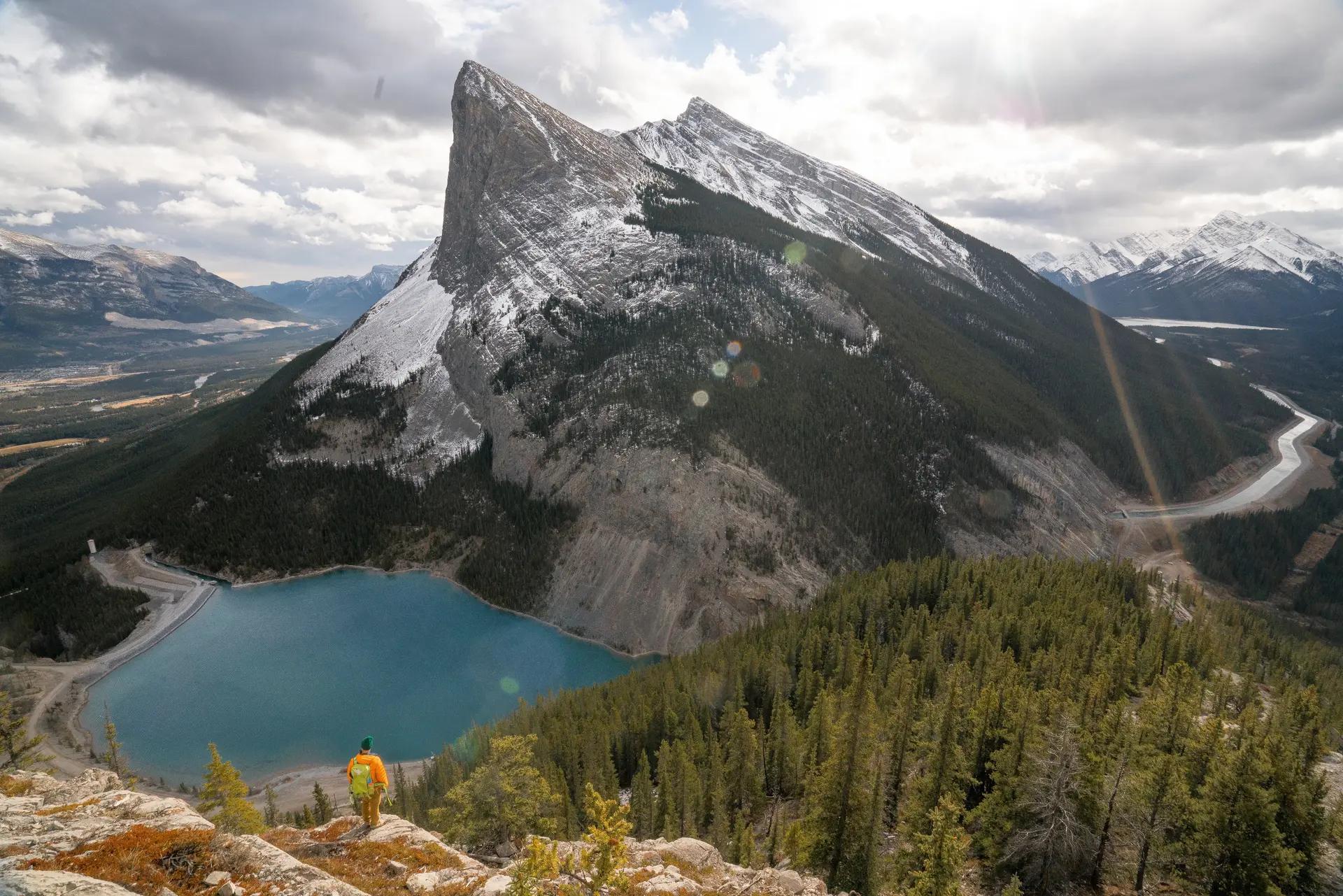
Steeply tilted limestone layers give Mount Rundle its wedge shape above Whiteman’s Pond near Canmore.
You'll be captivated by glimpses of Mount Rundle (its Cree name, Waskahigan Watchi, means "house mountain"), which stretches 9,600 feet into the bold blue skies. Explore the stunning views and Grassi Lakes during a sunrise hike with the Canadian Rockies Experience. And you don't have to spend all day in nature to have fun. There's plenty to see at street level, too. Check out public art, like the Big Head Sculpture, a bronze head that weighs seven and a half tons, or shop local in Downtown Canmore. Check out the Canmore Museum to learn more about the town's history with coal mining, or enter an immersive exhibit to discover how movement shaped life in the Bow Valley.
To go deeper into the landscape, test your mettle during the annual Grizzly Canmore Ultra Marathon and Relay in mid-October. Run 31 miles of forested trails on your own, or team up with a crew for two-to-five-person relays.
Banff and Lake Louise
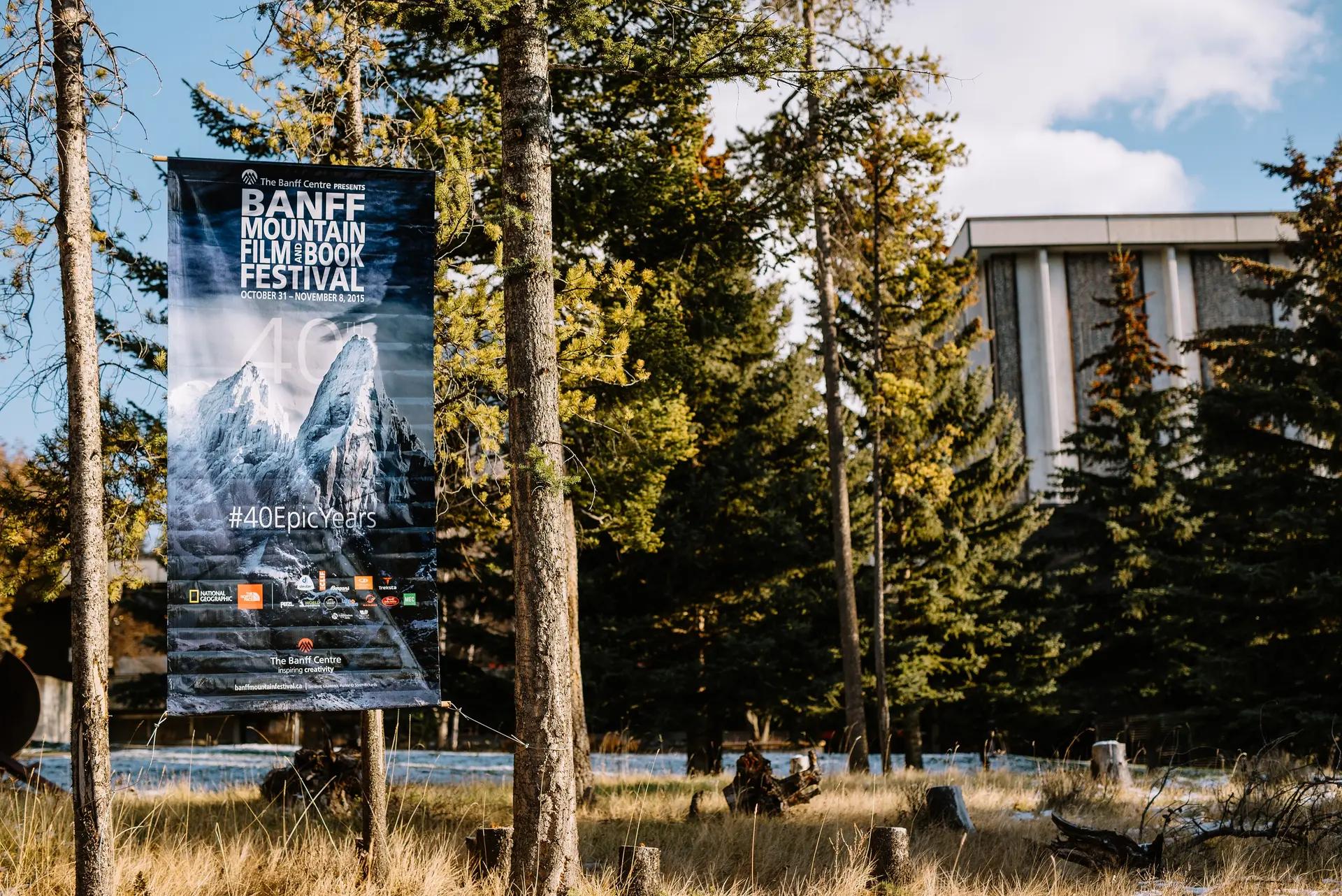
The Banff Centre has hosted the Banff Mountain Film and Book Festival every fall since 1976.
Expecting crayon-blue lakes, snow-mantled mountains, and forests that are seemingly a hundred hues of green and gold in fall? Banff and Lake Louise deliver all that and then some. Get fully immersed into the spirit of mountain culture at the Banff Centre for Arts and Creativity. Not only is there a plethora of programs for visitors to unleash their creativity, but every October they host the Banff Centre Mountain Film and Book Festival, which runs over nine days. More than 75 films are screened, including world premieres, rounded out by author presentations, art exhibitions and a Festival Marketplace.
The splendor of Banff National Park will take your breath away. Part of the Canadian Rocky Mountain Parks UNESCO World Heritage site, the park is known for its mountain peaks and glacial lakes. The park provides ample opportunity to get your adrenaline flowing, too. Choose from a range of guided tours that let you walk above the clouds along the via ferrata (Italian for "iron road") that traverses the cliffs of Mt. Norquay. Or you can experience a Rocky Mountain tradition by enjoying a cup of tea at the Lake Agnes Teahouse. Relax at the original tables and chairs from 1905 and savor the handmade baked goods. The Lake Agnes Teahouse trail takes one to two hours each way, so pack accordingly.
Come down from the rush of the day with a hot stone massage or body scrub at the Post Hotel and Spa, a Relais & Chateaux and Michelin Key property. Too relaxed to leave? Resume your mountain indulgence on site by dining on what Conde Nast Traveler magazine's Gold List described as the "Best Food in the Americas." You’ll find a collection of 22,000 bottles and more than 3,800 selections of the finest wines available, making it one of Canada's largest wine cellars. After a glass (or two), cozy up in your cabin perched on the banks of the Pipestone River and drift off to sleep in front of the fireplace.
Jasper
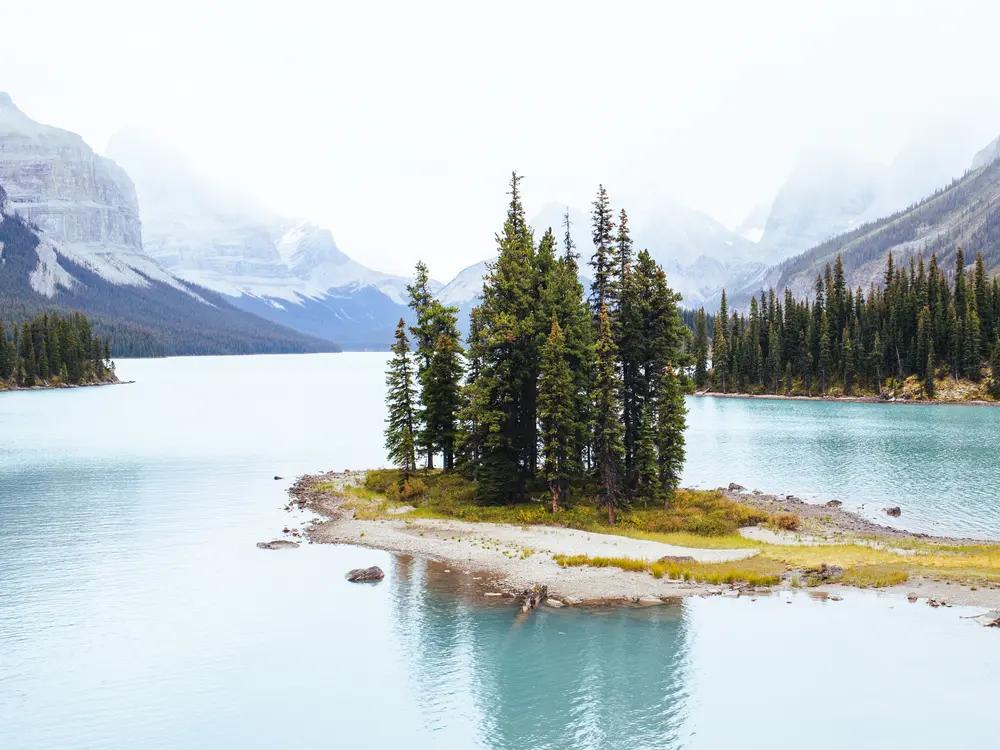
Fine glacial silt, called rock flour, gives Maligne Lake its turquoise color around Spirit Island.
Linking Banff National Park and Jasper National Park (another UNESCO World Heritage site), is the Icefields Parkway. The 145-mile route is punctuated by awe-inspiring glaciers, carved valleys, serrated mountains and misty waterfalls. It was rated by Condé Nast Traveller as one of the top drives in the world. There's mystery and majesty around every turn, along with many chances to spot wildlife (especially at daybreak or twilight) like grizzly and black bears, caribou, big-horn sheep, and mountain goats characterized by their shaggy white coats.
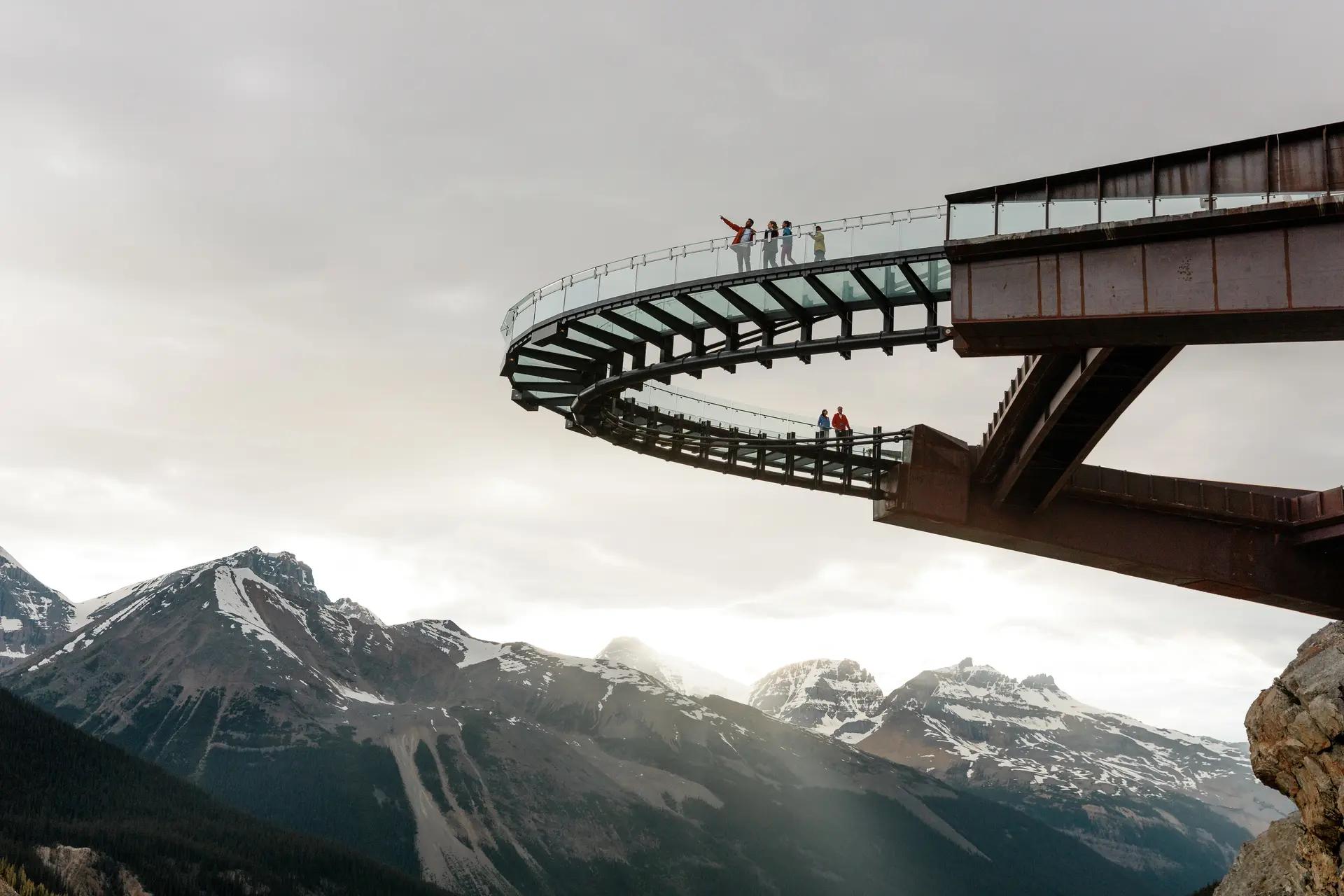
The Columbia Icefield Skywalk’s rust-colored steel was chosen to blend with the surrounding cliffs.
Elevate your already heady adventure on the Columbia Icefield Skywalk. This thrilling stroll along a glass-floored observation platform offers panoramas of the Sunwapta Valley and the Athabasca Glacier, a dizzying 918 feet below you. The experience offers opportunities to see fossils, waterfalls and, more frequently than not, mountain goats and other wildlife. Want to enjoy cocktails and canapes on the glacier? Until mid-October, guests of the Glacier View Lodge can take part in life on the edge through an all-inclusive experience that involves touring the glacier via the Ice Odyssey and enjoying a Canadian-inspired and -sourced dinner with the glaciers right in sight.
Ever wanted to paddle a handmade voyageur canoe? Join a tour of Pyramid Lake in Jasper National Park with Wild Current Outfitters and skim across the clear water in silence that's broken only by the siren song of loons. The tours come with home-baked treats and hot drinks (all included). If hiking is more your style, take a short but challenging 2.5-mile uphill guided excursion in the new growth forest of Jasper National Park. During the "Peak Nic" tour you can learn about history, geology and wildfires, including the most recent, which occurred in July 2024. Once you reach the peak, enjoy a hot lunch as you take in the views.
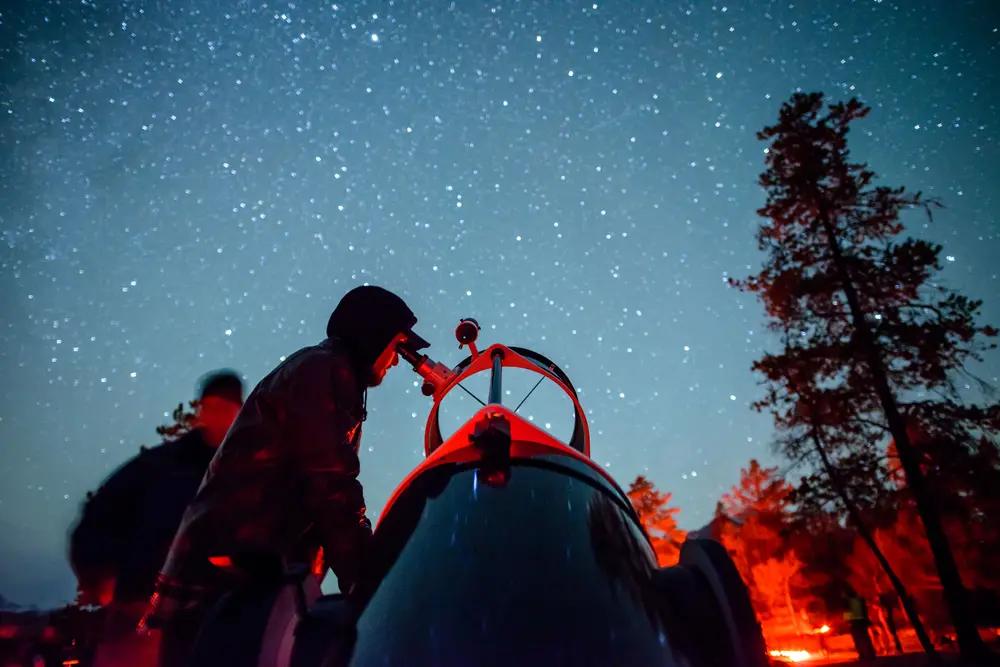
Jasper National Park was named a dark sky preserve in 2011, which keeps skies like this free of light pollution.
All that fresh mountain air might tempt you to turn in early once night falls, but you'd be missing out in a massive way. The park is the world's largest accessible dark sky preserve, a unique feature that's celebrated in October during the 10-day Jasper Dark Sky Festival. It's a prime time to look through telescopes and take in astronomy events. Even better: there's a good chance that when gazing at the sea of stars, you'll see the northern lights, or aurora borealis, transform the darkness into streaks of emerald and gold.
Edmonton
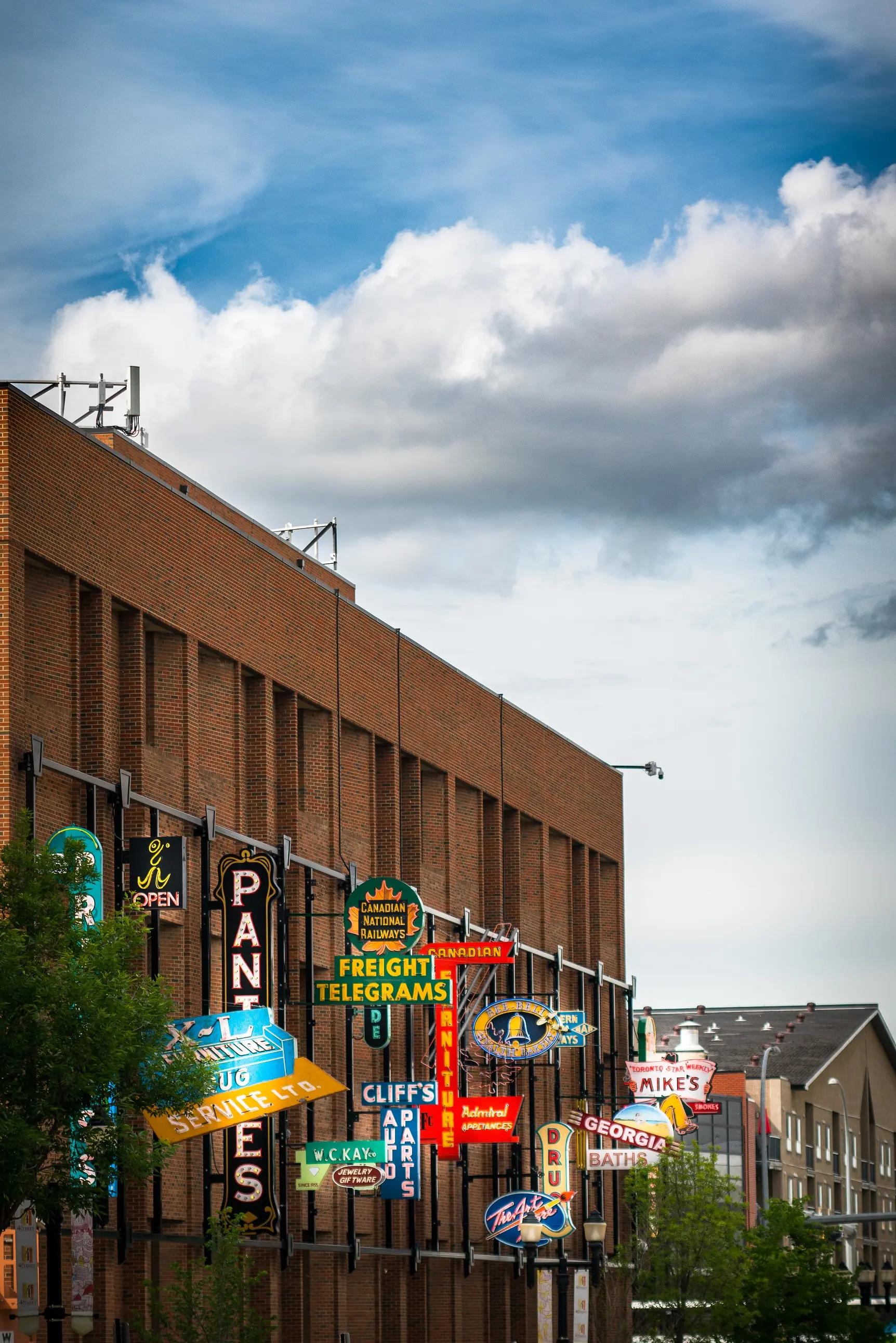
The Neon Sign Museum opened in 2014, and its collection includes a Canadian National Railway sign that once lit up Edmonton.
Another push driving northeast of Jasper on Highway 16 takes you to Edmonton, the province's capital. The folks in this northern city composed of eclectic neighborhoods, march to their own lively beat. Find out first-hand at the Edmonton International Film Festival in late September, which draws a global mix of films. Each year, 100+ short films are shown with more than 50 countries participating.
The city is also an excellent place to explore art and Indigenous landmarks like Turtle Rock Effigy Labyrinth in Louise McKinney Riverfront Park. Walk through this meditative contemporary work by Leah Marie Dorion to discover how she brings together the Celtic labyrinth and the turtle (a traditional Indigenous symbol) to represent the relationship between Canada's first peoples and European settlers. Another art installation that chronicles Edmonton's more recent roots is the outdoor Neon Sign Museum on the east wall of the TELUS building and south wall of the Mercer Warehouse. Stroll by anytime to see the wall of glowing historic signs from businesses such as Colonel Mustard's Canteen and the Pantages Theatre. For a more modern art installation, check out the Vaulted Willow in Borden Park.
While arts and culture abound in Edmonton, creativity is also channeled in its culinary and craft beer scenes (take a tour of the city's breweries). Bernadette's, a restaurant designed as a tribute to the land and traditional ingredients, offers seasonal and political dishes that are created to evoke memories and comfort. For panoramic views, The Butternut Tree offers a contemporary interpretation of Canadian cuisine.
For historic luxury, settle down at the Fairmont Hotel Macdonald. The property dates back to 1915 and offers picture-perfect views of the river valley. With a two-story health club including a fitness center, multiple treatment rooms and a saltwater pool, you’ll be able to relax after a long day of exploring all the city has to offer. Every Sunday in the Empire Ballroom, a buffet brunch unlike any other is available. The menu is sustainability focused and features items like specialty crepes and seafood displays.
Red Deer
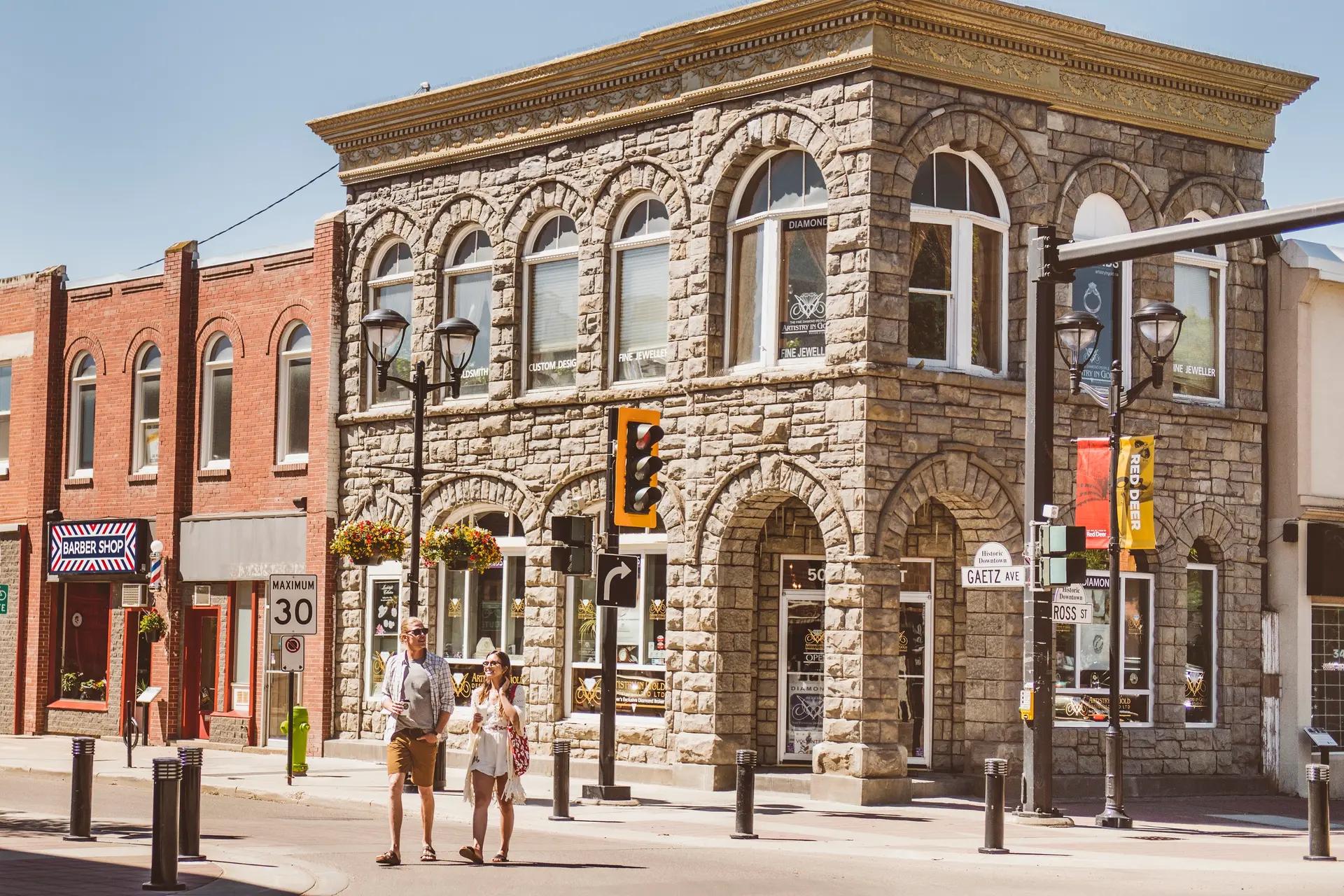
Gaetz Avenue, the main street of historic downtown Red Deer, is named for early settler Rev. Leonard Gaetz.
Be sure to stop in Red Deer along the way as you complete your circle route back to Calgary. This community is underpinned by agriculture, which means autumn is an ideal time to tackle the massive corn maze at Kraay Family Farm. If you're looking for something even more exciting, go skydiving at nearby Innisfail. First-timers can jump in tandem with experts and can fly up to 14,000 feet above a patchwork of fields. Whatever you do, don't miss out on visiting Troubled Monk brewery; you're in the heart of malt-barley country after all! Take a tour of the operations, then find a seat in the taproom, which serves brews like Troubled Tea Hard Iced Tea, Pesky Pig Pale Ale and Saskatoon Soda.
Plan your trip to Alberta at the Travel Alberta website.
Frequently asked questions
How many days do you need for a Calgary and Alberta road trip?
Plan for three to five days to complete the full circle route from Calgary. That window gives you enough time to move through the Rockies to Jasper, continue to Edmonton, and loop back through Red Deer without rushing. Each leg pairs driving time with a distinct destination, so building in a few unhurried stops keeps the pace comfortable across the whole loop.
What is the best time of year for this Alberta route?
Fall is the best time to drive this route, with October offering the densest cluster of signature events. The Rocky Mountain Wine and Food Festival runs mid-October in Calgary, the Banff Centre Mountain Film and Book Festival spans nine days later that month, and the Jasper Dark Sky Festival offers 10 days of astronomy programming. Fall foliage also brings out the gold-and-green forests around Banff and Lake Louise, making the scenery a draw in its own right.
Can you see the northern lights in Jasper?
Yes, you have a strong chance of seeing the aurora borealis in Jasper. Jasper National Park is the world's largest accessible dark sky preserve, which makes it one of the best places on the route for night-sky viewing. October's 10-day Jasper Dark Sky Festival is a prime window, offering telescope sessions and astronomy events alongside the possibility of catching the northern lights in streaks of emerald and gold.
What wildlife can you spot along the route?
You can spot grizzly and black bears, caribou, big-horn sheep, and shaggy white-coated mountain goats along the route, especially on the Icefields Parkway. Daybreak and twilight offer the best chances, so timing your drive through the parkway around those hours improves your odds of seeing animals.
Which stops have UNESCO World Heritage designations?
Two stops on the route hold UNESCO World Heritage designations: Banff National Park and Jasper National Park. Both are known for their Rocky Mountain peaks and glacial lakes, and they anchor the mountain portion of the loop. The Icefields Parkway connects the two, so you can experience both designated parks in a single continuous drive.
What outdoor activities are available beyond hiking?
Beyond hiking, the route offers caving, climbing, canoeing, skydiving and a glass-floored skywalk. Canmore Cave Tours explores undeveloped caves, the via ferrata traverses the cliffs of Mt. Norquay, and the Columbia Icefield Skywalk suspends you 918 feet above the Sunwapta Valley. Further along, you can paddle a handmade voyageur canoe on Pyramid Lake in Jasper.
Sources
Visit Calgary —visitcalgary.com/
Rocky Mountain Wine and Food Festival —rockymountainwine.com/
Explore Canmore —explorecanmore.ca/
Banff & Lake Louise Tourism —banfflakelouise.com/
Banff National Park (Parks Canada) —pc.gc.ca/en/pn-np/ab/banff
Jasper National Park (Parks Canada) —pc.gc.ca/en/pn-np/ab/jasper
Icefields Parkway —icefieldsparkway.com/
Columbia Icefield Skywalk —banffjaspercollection.com/attractions/columbia-icefield/skywalk/
Jasper Dark Sky Festival —jasperdarksky.travel/
Explore Edmonton —exploreedmonton.com/
Visit Red Deer —visitreddeer.com/
Travel Alberta —travelalberta.com/