When to Visit Tincup Wilderness Lodge: A Seasonal Guide
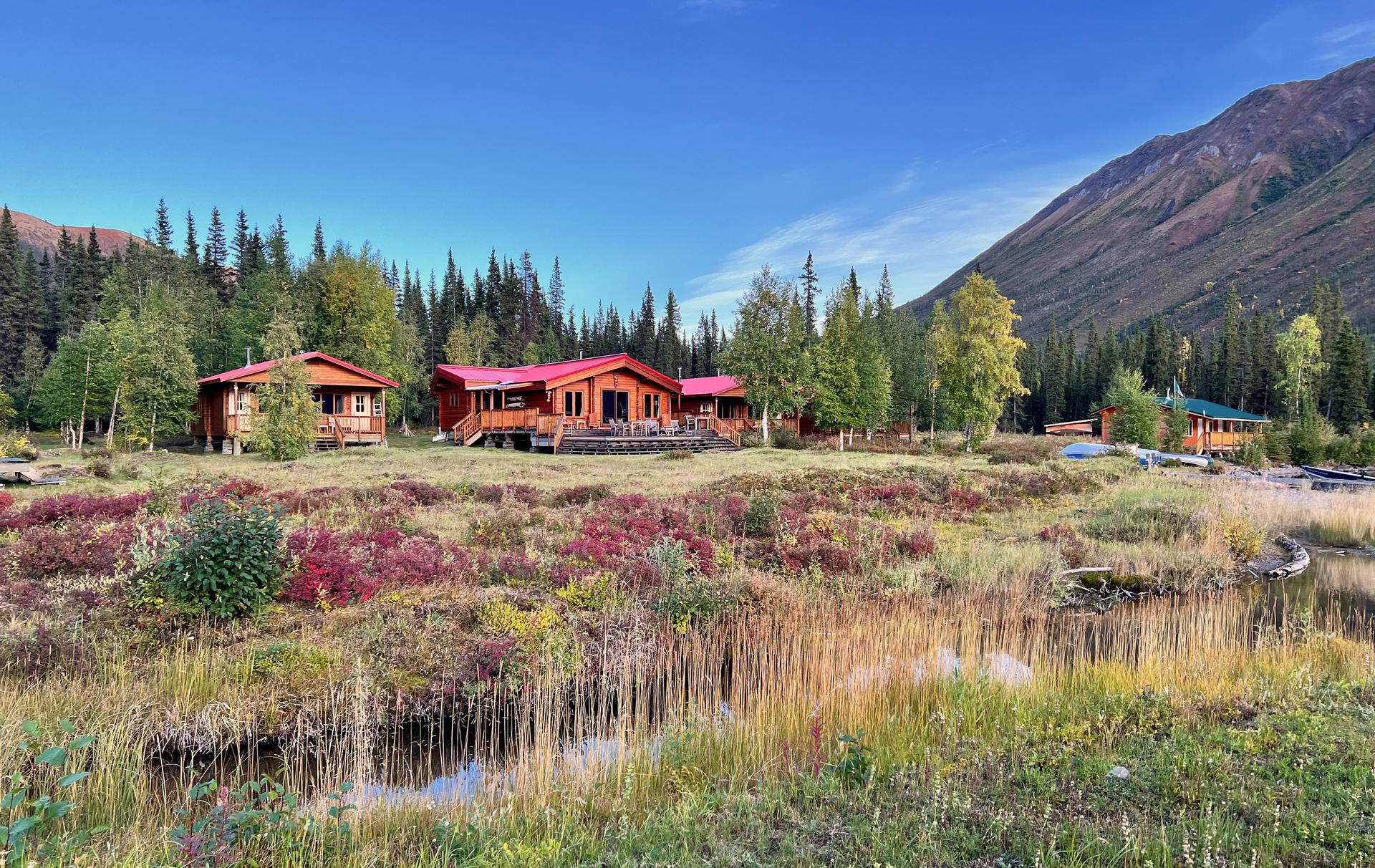
Photo credit: Meinrad Humm, Tincup Wilderness Lodge
June: Midnight Sun & Wildflowers
Season: Early (Opening weeks through month-end)
Weather:
- Daytime highs: 15–20°C | Nighttime lows: 5–10°C
- Long daylight hours (20+), cool mornings, moderate rainfall
Fishing:
- Excellent lake trout action post-spawn
- Best methods: trolling with spoons, jigging near drop-offs
Wildlife:
- Moose calving season; bears actively foraging
- Peak bird nesting and wildflower blooms (lupins, fireweed, wild roses)
Bugs:
- Mosquitoes and black flies at peak—bring head nets and strong repellent
Daylight:
- Sunrise: ~4:30 am | Sunset: ~11:30 pm
Crowds: Low to moderate
Best For:
- Photographers chasing golden light and wildflowers
- Anglers seeking aggressive post-spawn trout
July: Peak Summer & Family Time
Season: Peak
Weather:
- Daytime highs: 18–23°C | Nighttime lows: 8–12°C
- Warm afternoons, stable patterns, fewer rainy days
Fishing:
- Steady lake trout action all day
- Techniques: mid-depth trolling, evening surface bites
Wildlife:
- Moose calves growing; eagles nesting; loons active
Bugs:
- Noticeably reduced from June
Daylight:
- Sunrise: ~5:00 am | Sunset: ~11:00 pm
Crowds: High—lodge typically full
Best For:
- Families and first-time guests
- Visitors seeking warmest weather and longest days
Avoid If:
- You prefer solitude or northern lights sightings (still too light)
August: Prime Wilderness Conditions
Season: Peak transitioning to late season
Weather:
- Early August warm; late August cools noticeably
- Highs: 15–20°C | Lows: 5–10°C
Fishing:
- Deeper trolling productive as water cools
- Larger lake trout more common late in month
Wildlife:
- Moose rut begins; bears enter hyperphagia (feeding frenzy)
- Caribou and early bird migrations possible
Bugs:
- Mostly gone by mid-August
Daylight:
- Sunrise: ~6:00 am | Sunset: ~10:00 pm, True darkness returns
Crowds: Moderate to low by late month
Best For:
- Couples, serious anglers, photographers
- Northern lights seekers (visible after 10:30 pm in late August)
Avoid If:
You prefer consistently warm evenings
September: Northern Lights & Fall Colours
Season: Late season / Shoulder pricing
Weather:
- Highs: 10–15°C | Lows: 0–5°C
- Cool days, crisp nights; frost possible
Fishing:
- Peak trophy season; trout feed aggressively
- Expect 10–18 lb fish
Wildlife:
- Peak moose rut; bears feeding heavily
- Wolves howling; fall caribou migration
Bugs: None
Daylight:
- Sunrise: ~7:30 am | Sunset: ~8:30 pm , Darkness returns
Crowds: Low
Best For:
- Aurora chasers and wildlife photographers
- Solitude, trophy fishing, crisp air
Avoid If:
You’re sensitive to cold or prefer maximum daylight
Quick Comparison: At a Glance
| Month | Weather | Fishing | Bugs | Crowds | Northern Lights | Best For |
|---|---|---|---|---|---|---|
| June | Cool, long days | Excellent | Intense | Low-Mod | No | Photographers, anglers |
| July | Warmest | Excellent | Moderate | High | No | Families, first-timers |
| August | Cooling trend | Excellent | Minimal | Mod-Low | Late month | Couples, serious anglers |
| Sept | Cold nights | Trophy fish | None | Low | Yes | Aurora, solitude, photos |
Booking Tips by Season
- Peak season (July–August): Book 9–12 months ahead
- June or September: 6–9 months ahead often enough
Practical Considerations
Access: Fly-in only via floatplane or helicopter. Transfers arranged by the lodge from Burwash Landing. Weight limits 40–50 lbs per person (soft-sided bags).
- Inclusions: Private cabin, all meals and beverages, equipment, floatplane transfer included in package.
- Exclusions: Commercial flights to Yukon, travel insurance, fishing licenses (should be arranged in advance or with lodge assistance).
- Packing Tips: Layered clothing, bug protection in early season, warm gear for September, camera equipment for wildlife/northern lights.
The Final Word
There’s no wrong time to visit Tincup Wilderness Lodge — only different experiences. Choose based on your priorities: long sunny days, minimal bugs, aurora sightings, trophy fishing, or solitude. Every month offers a unique glimpse into one of North America’s last truly wild landscapes.