Seven ways to immerse yourself in Nova Scotia's Acadian culture
Explore 400 years of Acadian culture through historic sites, living museums, kitchen parties, Mi-Carême celebrations and more, all on your next trip to Nova Scotia.
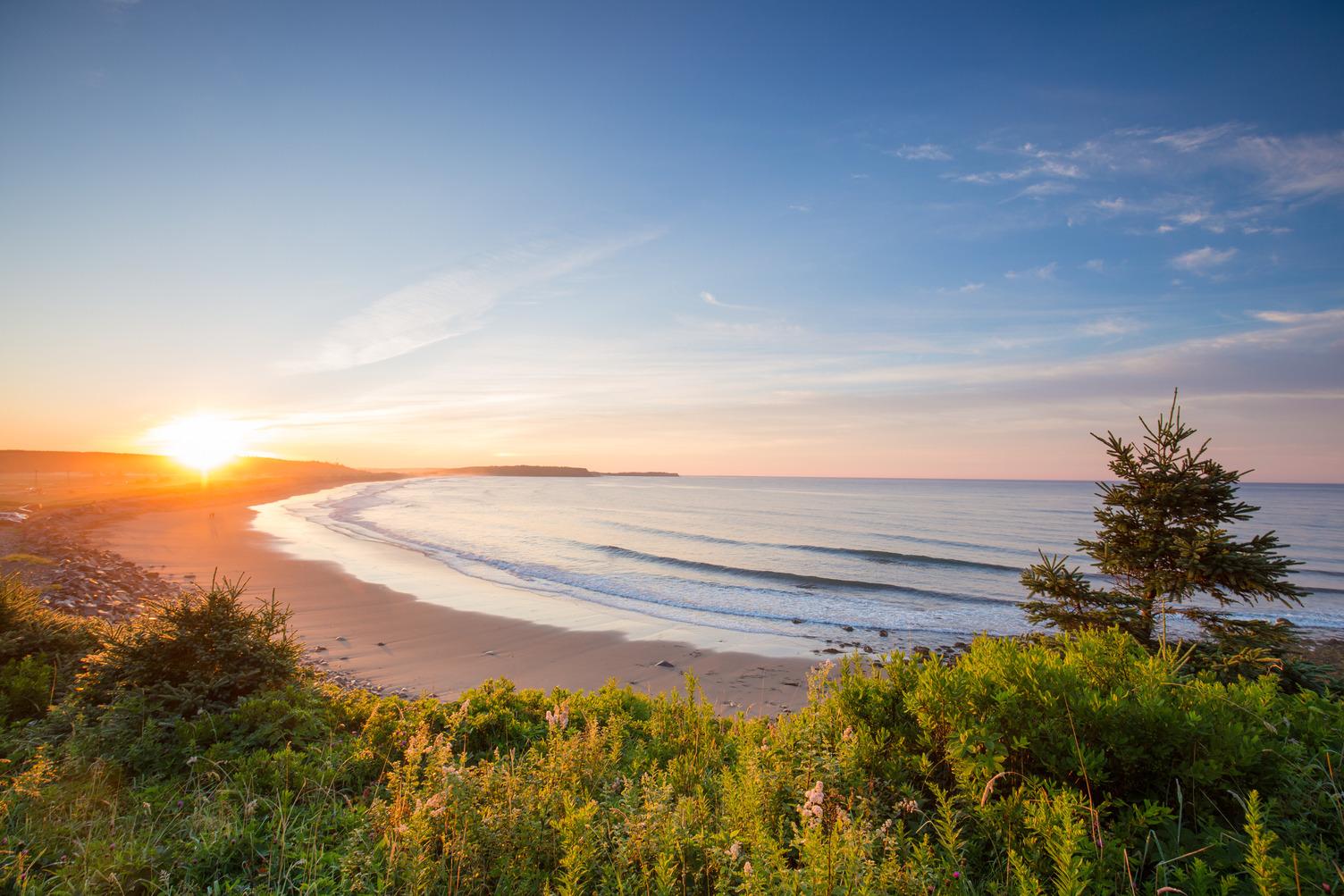
Nova Scotia is one of the best places in Canada to experience Acadian culture. It is where four centuries of Acadian traditions continue to thrive through music, food, festivals and community. Alongside this Acadian heritage, these lands have been home to the Mi’kmaq since time immemorial and Mi’kmaq culture and traditions continue to thrive today. Together, these distinct Acadian and Mi’kmaq cultures contribute to Nova Scotia’s story of resilience, connection and community.
Whether you're joining an Acadian kitchen party, exploring historic sites or learning traditional crafts, these seven attractions offer an authentic introduction to Nova Scotia's rich cultural heritage.
Quick facts
Acadian kitchen party (Argyler Lodge)
Location: Yarmouth and Acadian Shores, within the Acadian Skies and Mi'kmaq Lands Starlight Reserve
Key facts:
- Region is home to North America's first International Dark Sky Association-designated Starlight Reserve
- Six-room inn offers chef-prepared dinners and seaside kitchen parties with live Acadian music
Port-Royal National Historic Site
Location: Port-Royal
Key facts:
Founded in 1605 after settlers relocated from Saint Croix Island (1604 settlement by Pierre Dugua, Sieur de Mons)
Site of the Habitation, where Samuel de Champlain lived and started the Order of Good Cheer in 1606
Explores the critical alliance between the Mi’kmaq and French settlers
Le village historique Acadien de la Nouvelle-Écosse
Location: Pubnico Harbour
Key facts:
- 17-acre living history site depicting Acadian life in the early 1900s
- Costumed interpreters demonstrate boat-building, fishing net-making and cod-salting skills
Grand-Pré National Historic Site
Location: Grand-Pré
Key facts:
- Canada's 16th UNESCO World Heritage Site (2012)
- Commemorates Acadian settlement (1682–1755) and the Deportation (Le Grand Dérangement, 1755–1762)
- Features the Statue of Evangeline and Memorial Church
Mi-Carême Interpretive Centre
Location: Grand-Étang
Key facts:
- Only interpretive center in Canada dedicated to the Mi-Carême (Mid-Lent) tradition
- Mask-making workshops and an Oceanfront Creations beach-art workshop
Acadian House Museum
Location: West Chezzetcook / Grand Desert
Key facts:
- Museum building dates to 1850
- Part of the larger l'Acadie de Chezzetcook site (tearoom, outdoor oven, barn, garden)
- Honors ties to St. Anselm’s Parish and the Mi'kmaq
Les Trois Pignons’ Museum of the Hooked Rug and Home Life
Location: Chéticamp (Cabot Trail)
Key facts:
- Acadian Cultural and Genealogical Centre
- Features the Elizabeth LeFort Gallery and Marguerite Gallant Collection of hooked rugs and antiques
1. Attend an Acadian kitchen party
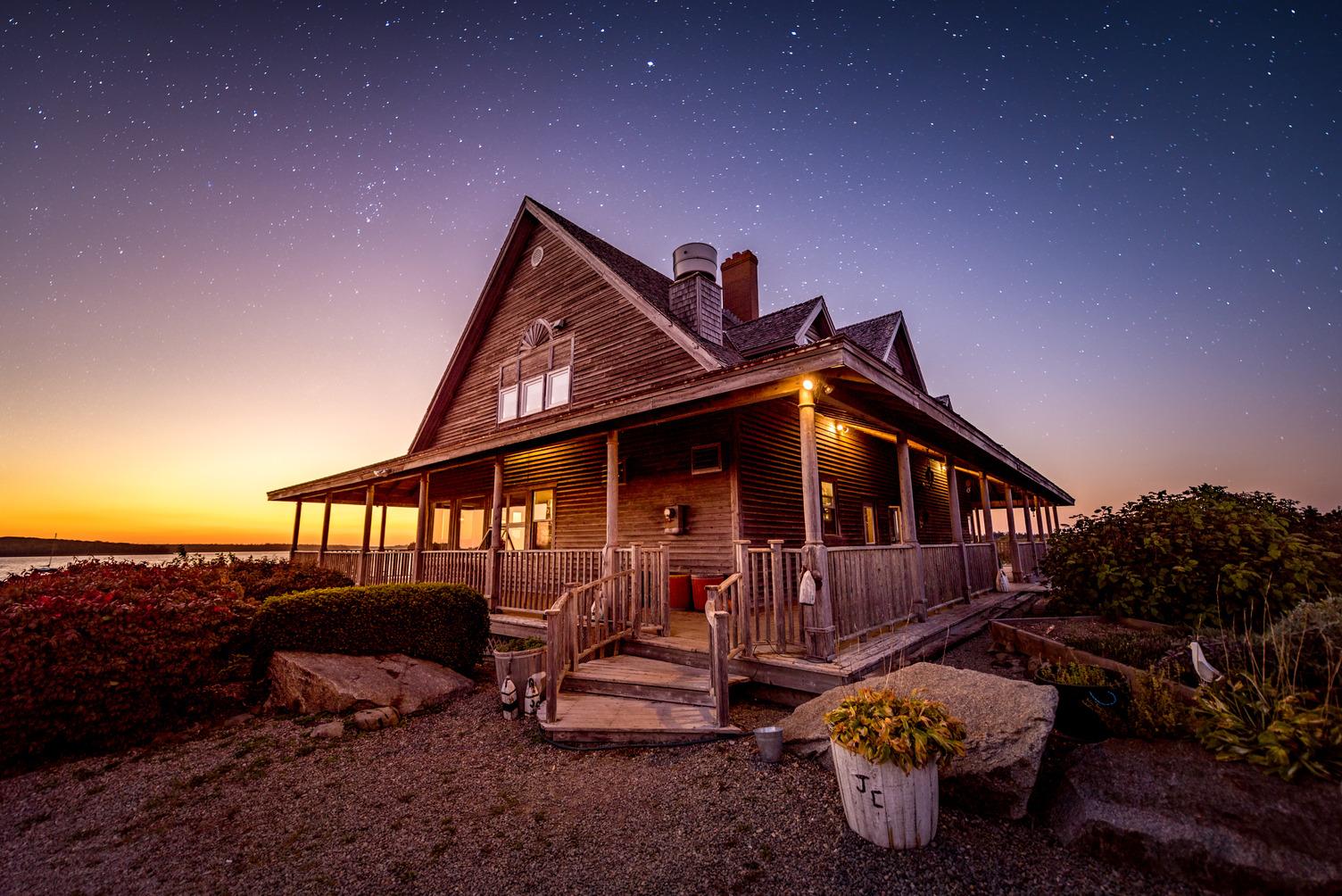
Argyler Lodge sits within the Acadian Skies and Mi'kmaq Lands, North America's first designated Starlight Reserve. Credit: Tourism Nova Scotia
The Yarmouth and Acadian Shores, located within the Acadian Skies and Mi’kmaq Lands Starlight Reserve, is famous for its dark and clear skies that create the perfect conditions for stargazing. Recognized by the International Starlight Foundation, it’s the first designated Starlight Reserve in North America.
In the heart of this region lies Argyler Lodge, a cozy traditional-style country inn. Be sure to gather around the table for an authentic Acadian chef-prepared dinner. You’ll learn everything from the origins of French Acadie to their ties to Cajun communities in Louisiana to their rich maritime heritage through food and music.
Afterwards, join locals and new friends in a seaside kitchen party while you sip the finest Nova Scotia bubbly, kick up your heels and soak in the beautiful views over Lobster Bay as a local band plays Acadian tunes.
2. Visit Port-Royal National Historic Site
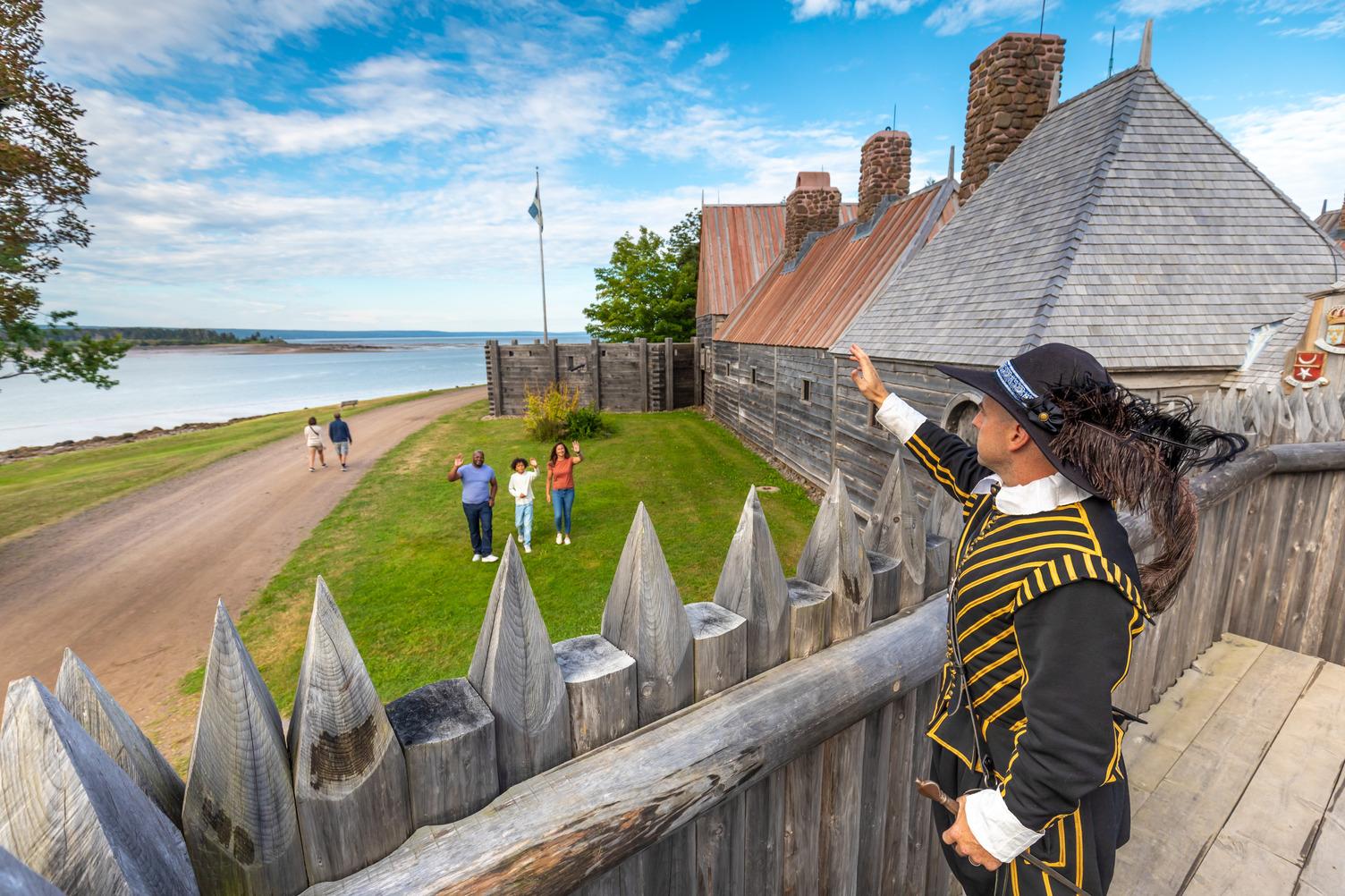
At Port-Royal National Historic Site, costumed interpreters bring more than 400 years of history to life. Credit: Tourism Nova Scotia
Located in Mi’kma’ki, the traditional territory of the Mi’kmaq, Port-Royal’s history spans more than 400 years. In 1604, French nobleman Pierre Dugua, Sieur de Mons, established a settlement on Saint Croix Island. This led to what would become the French colonization of Acadie. In 1605, the settlers moved and established what is present-day Port-Royal after a difficult winter on Saint Croix.
Today, at the Port-Royal National Historic Site, costumed interpreters bring that history to life. You’ll learn all about Port-Royal’s history, including the alliance forged between the Mi’kmaq and the French to share knowledge and customs. Mi’kmaq knowledge of the land and environment was critical to the settlers’ survival. .
Continue to step back in time by walking along reconstructed 17th-century buildings, including the Habitation. This distinctive enclosed quadrangle is where Samuel de Champlain lived in 1605 and initiated the Order of Good Cheer in 1606.
3. Experience Le village historique Acadien de la Nouvelle-Écosse
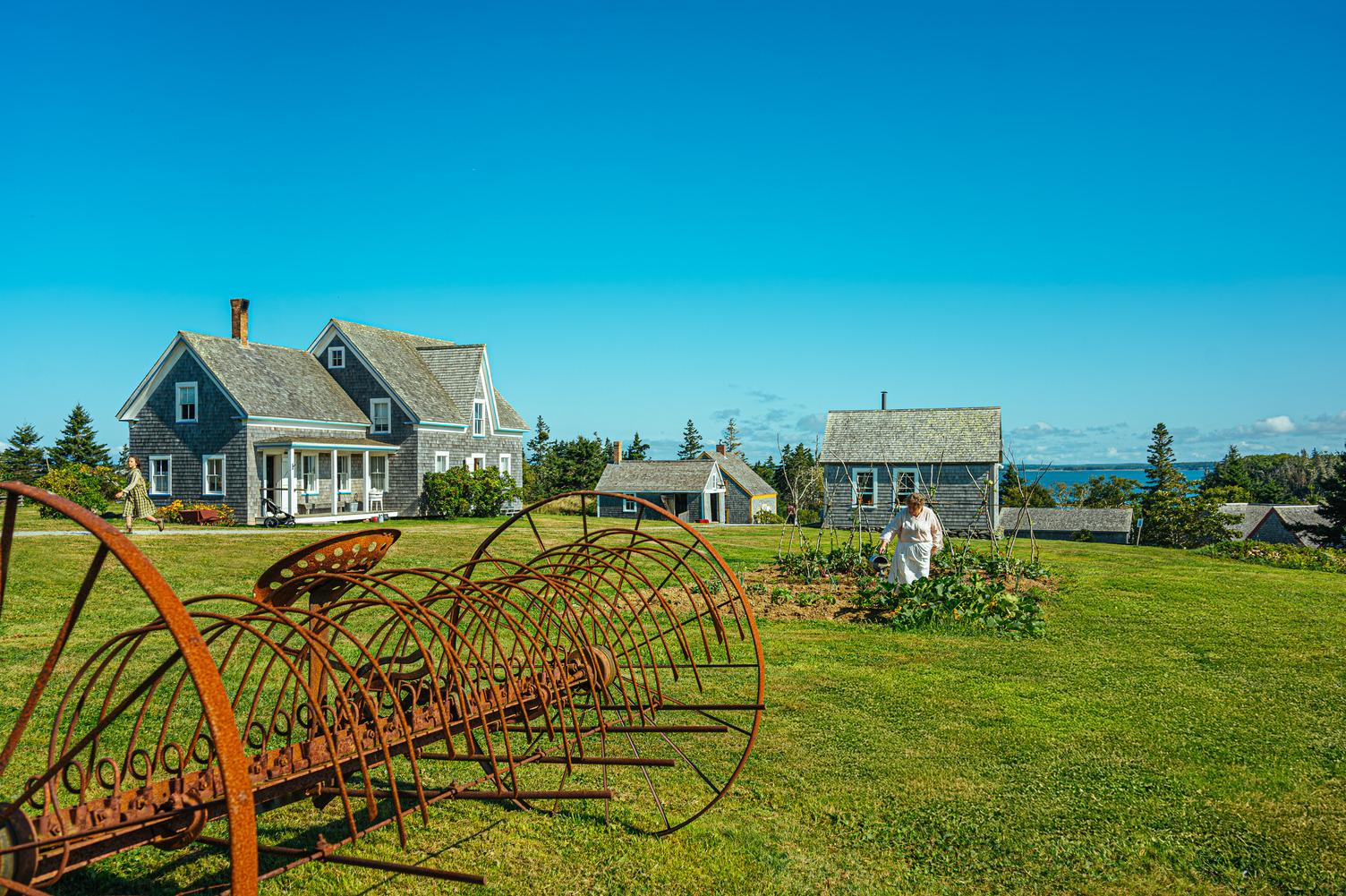
Le village historique Acadien de la Nouvelle-Écosse recreates Acadian life in the early 1900s across a 17-acre site overlooking Pubnico Harbour. Credit: Tourism Nova Scotia
Located on a beautiful 17-acre site that overlooks Pubnico Harbour, the historic Acadian Village of Nova Scotia invites you to step back in time to discover the heart, life and culture of the Acadians in the early 1900s.
Heritage interpreters in period costumes show you the many rhythms of the Acadian settlers' sea-based lives, from the building of boats and lobster traps, to the making of fishing nets and salting cod. Interestingly, upon their return from exile following the Deportation of 1755, many families had to learn these skills out of necessity as the land they resettled on became largely infertile.
After exploring the village, take in the panoramic views of Pubnico Harbour. The rugged coastline, variety of plants and wildlife, and sea birds soaring above paint the perfect Nova Scotia landscape that locals and visitors alike fall in love with.
4. Head to Grand-Pré National Historic Site
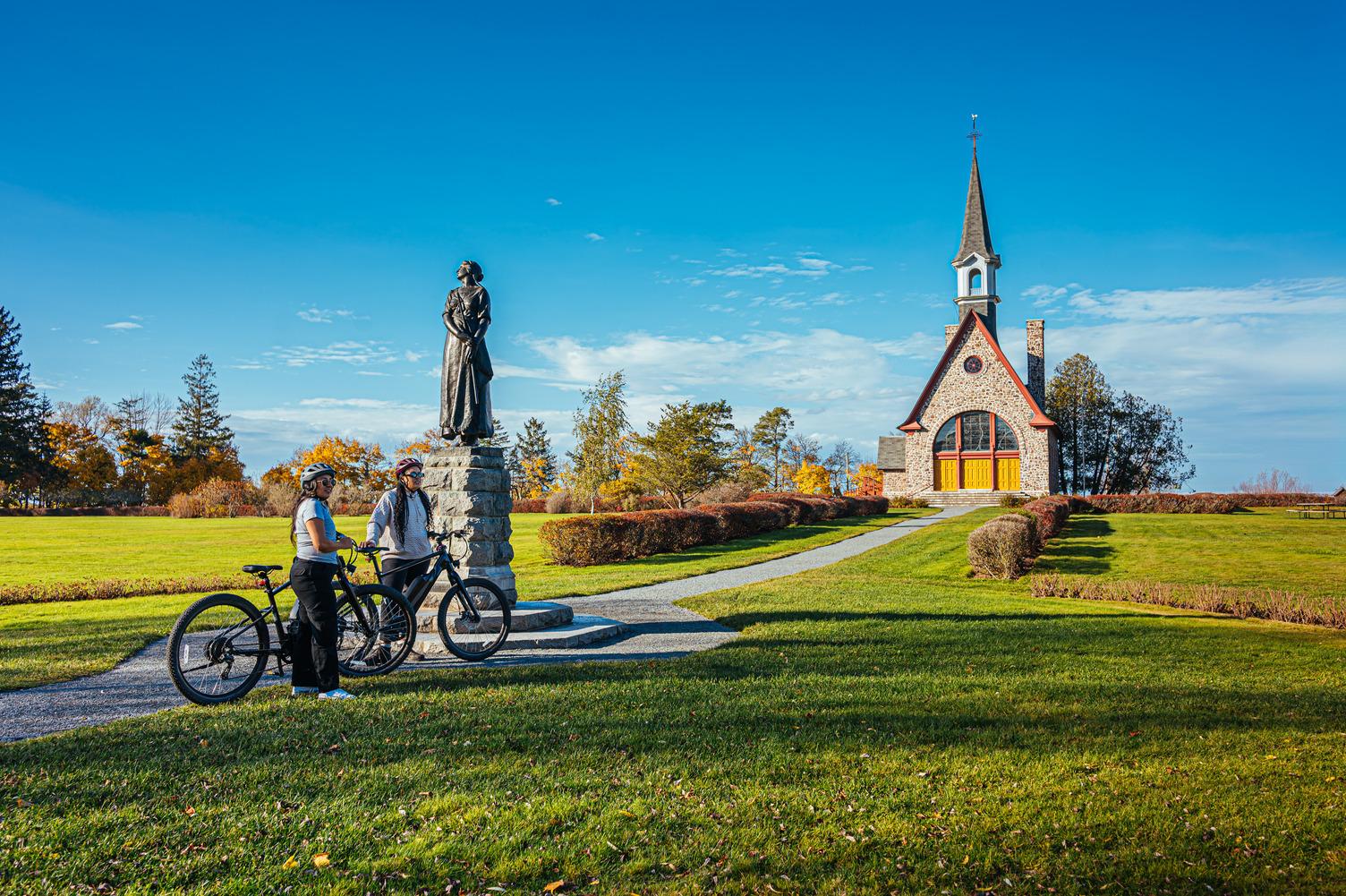
The Statue of Evangeline and Memorial Church anchor Grand-Pré, a UNESCO World Heritage Site since 2012. Credit: Tourism Nova Scotia
Grand-Pré is a powerful monument that unites the Acadian people. Between July and August, site visitors can learn about Acadian stories with guided tours that begin in the hull of a deportation ship. One story you’ll learn is the tale of Le Grand Dérangement. Although one of the more tragic events in Acadian history, it’s important to remember, as it has shaped the vibrant culture of modern-day Acadians across the globe through its quiet but powerful renaissance.
At the Grand-Pré National Historic Site, you’ll be surrounded by incredible landscapes. You’ll also see duck ponds surrounded by beautiful weeping willows, the Statue of Evangeline (the heroine of the famous Longfellow poem), and the Memorial Church. At the end of your day’s experience, you can take a path up a hill to the Landscape of Grand Pré View Park.
The site commemorates the Grand Pré area as a center of Acadian settlement from 1682 to 1755, when the Deportation of the Acadians began (continuing until 1762). For many Acadians throughout the world, the site remains the heart of their ancestral homeland and the symbol of the ties that unite them to this day. Upon visiting, you’ll quickly understand why it became Canada's 16th World Heritage Site inscribed by UNESCO in 2012.
5. Check out the Mi-Carême Interpretive Centre
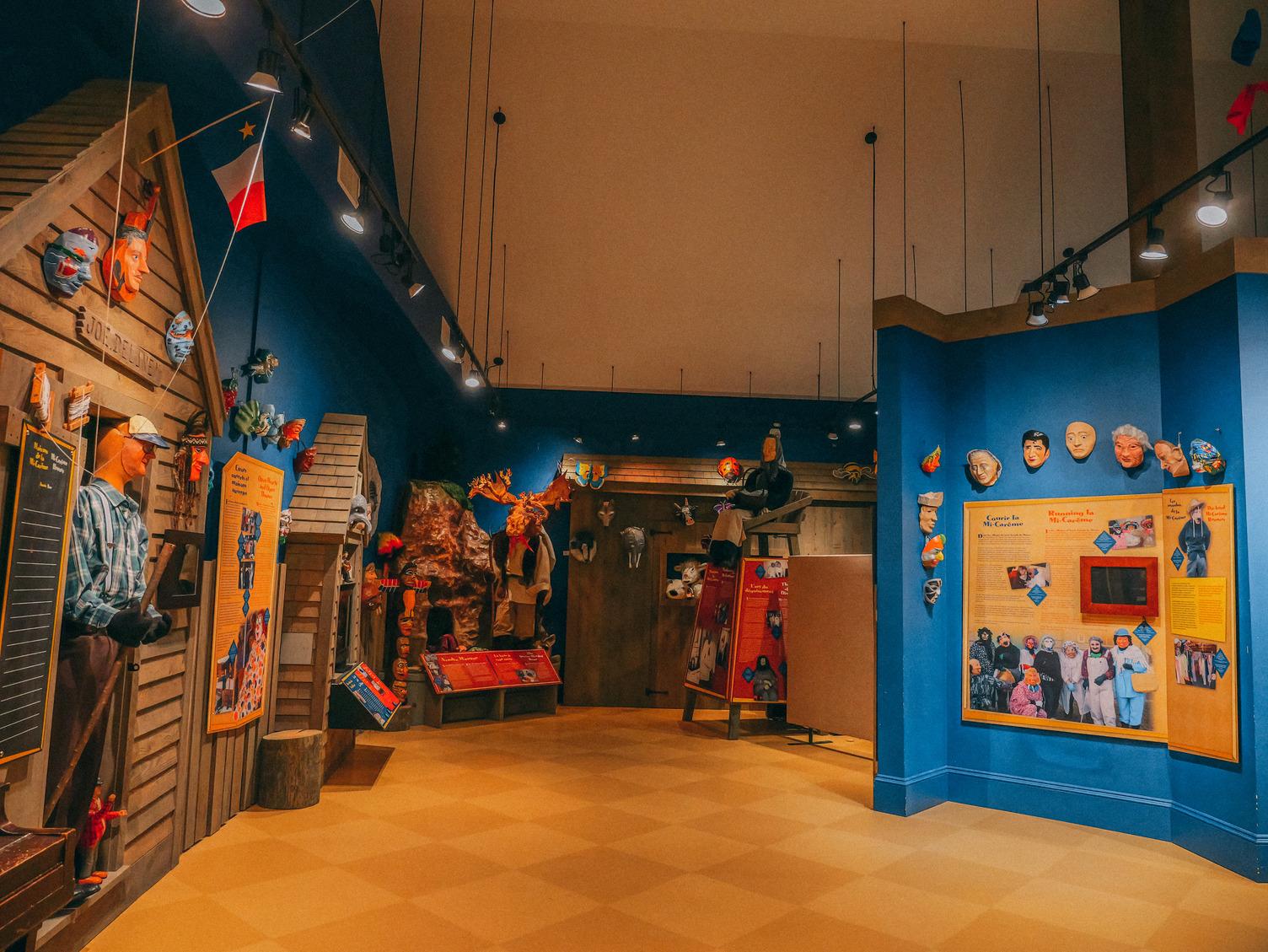
The Mi-Carême Interpretive Centre is the only interpretive centre in Canada dedicated to the whimsical Mi-Carême tradition. Credit: Tourism Nova Scotia
The Mi-Carême Interpretive Centre is the only interpretative center in all of Canada dedicated to the whimsical tradition of Mi-Carême. Mi-Carême (Mid-Lent) is a French-Canadian and Acadian tradition and celebration where people disguise themselves and go from house to house asking for treats, while also singing and dancing. The center features a collection of locally crafted masks and interactive exhibits depicting the evolution of La Mi-Carême, one of the oldest Acadian traditions still celebrated every winter.
Learn more by watching a series of short theater pieces, or participate in one of their many workshops. In the past, they’ve offered mask-making workshops with interpretive guides who helped inspire students and to answer questions about Acadian culture. They’ve also offered Oceanfront Creations workshops, where attendees turned reclaimed wood and sea glass into art. In the fall, they’re offering dessert making workshops and cider tastings, so make sure to check if there are events happening during your visit.
6. Visit the Acadian House Museum
The Acadian House Museum was built in 1850, and is dedicated to the coastal French village that once thrived here in the West Chezzetcook and Grand Desert area. The museum is one part of a larger site known as l’Acadie de Chezzetcook, where you can explore the local history and community activities of the past. This includes an exhibit honoring the Acadians' ties with the previous Roman Catholic Parish of St. Anselm’s and the Mi'kmaq.
Don’t forget to check out the breathtaking sunsets on the nearby beaches and the scenic hiking trails.
7. Last but not least, attend Les Trois Pignons’ Museum of the Hooked Rug and Home Life
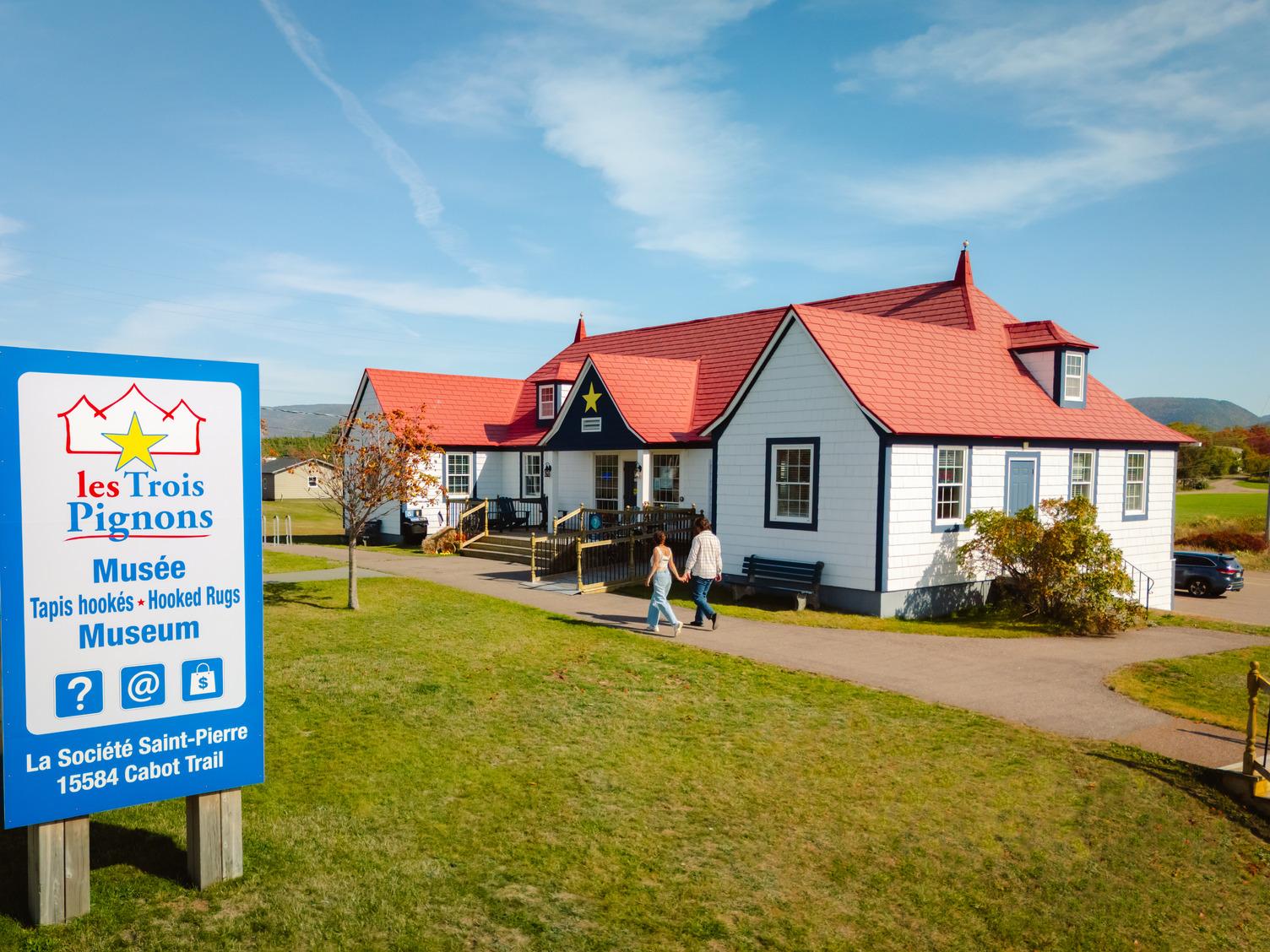
Les Trois Pignons houses the Museum of the Hooked Rug and Home Life in Chéticamp, along the world-famous Cabot Trail. Credit: Tourism Nova Scotia
Les Trois Pignons houses the Museum of the Hooked Rug and Home Life, an Acadian cultural and genealogical center. The museum is located in Chéticamp along the world-famous Cabot Trail, and combines the story of the area's settlement with that of the evolution of hooked rugs.
The gallery features antiques, contemporary hooked-rug designs and rug-hooking demonstrations to learn about the tools and techniques used to create these masterpieces. Check out the Elizabeth LeFort Gallery and the Marguerite Gallant Collection, where you can see hundreds of antiques that reflect how the Chéticamp settlers lived.
Bonus tip: Keep your eyes out for the Acadian flag across Nova Scotia as it's proudly displayed on homes and businesses across the province. It looks similar to the French flag, but has a yellow star placed in the top left corner that represents the patron saint of the Acadian people.
FAQs
Q: What is the difference between Acadian and Mi'kmaq culture in Nova Scotia?
Acadian culture developed from French settlement in the region beginning in the early 1600s, while Mi’kmaq culture is rooted in Mi’kma’ki, where the Mi’kmaq have lived since time immemorial. Nova Scotia is home to 13 Mi’kmaq First Nations.
Q: What was the Deportation of the Acadians (Le Grand Dérangement)?
Beginning in 1755, British colonial authorities forcibly deported the Acadian population from Nova Scotia, scattering thousands of people throughout the world in an event known as Le Grand Dérangement, with deportations continuing until 1762.
Q: Why is Grand-Pré National Historic Site a UNESCO World Heritage Site?
The Landscape of Grand Pré was inscribed as a UNESCO World Heritage Site in 2012, recognized both for its remarkable Acadian-engineered agricultural landscape of dikes and sluice gates and for its significance as a memorial to Acadian history and the deportation.
Q: What is the Order of Good Cheer?
The Order of Good Cheer was a French colonial social club founded in 1606 at the suggestion of Samuel de Champlain at Port-Royal, created to boost morale during harsh winters through shared meals and entertainment.
Q: What is Mi-Carême, and where can you learn about it?
Mi-Carême (Mid-Lent) is a celebration involving masks and disguises, one of the oldest surviving Acadian traditions. Visitors can learn about it at the Centre de la Mi-Carême, located in Grand-Étang, Inverness County, Cape Breton Island.
Q: What does the star on the Acadian flag represent?
The gold star, known as Stella Maris (Star of the Sea), is a traditional title of the Virgin Mary and serves as a rallying symbol of Acadian identity. The flag itself is a tricolour adopted in 1884 at the Second Acadian National Convention.
Sources
Nova Scotia Archives – The Habitation at Port-Royal: archives.novascotia.ca/habitation/
Parks Canada – Port-Royal National Historic Site Visitor Guide: parks.canada.ca/lhn-nhs/ns/portroyal/visit/cartes-maps/guide-du-visiteur-visitor-guide
Good Cheer Trail – Port-Royal National Historic Site: goodcheertrail.com/trail-stop/port-royal-national-historic-site/
Parks Canada – Grand-Pré History: parks.canada.ca/lhn-nhs/ns/grandpre/culture/histoire-history
UNESCO World Heritage Centre – Landscape of Grand Pré: whc.unesco.org/en/list/1404/
History Hit – Grand-Pré: historyhit.com/locations/grand-pre/
Tourism Nova Scotia – Grand-Pré National Historic Site Listing: novascotia.com/listing/grand-pre-national-historic-site/
Encyclopedia of French Cultural Heritage in North America – Grand-Pré, Acadie: ameriquefrancaise.org/en/articles/grand-pre-acadie
Province of Nova Scotia – Aboriginal Affairs: novascotia.ca/abor/aboriginal-people/
Cape Breton University – Lnu Resource Centre, The Mi'kmaq: cbu.ca/indigenous-initiatives/lnu-resource-centre/the-mikmaq/
Landscape of Grand Pré – Mi'kmaq First People: landscapeofgrandpre.ca/mirsquokmaq-first-people.html
The Canadian Encyclopedia – Mi'kmaq: thecanadianencyclopedia.ca/en/article/micmac-mikmaq
Encyclopaedia Britannica – Mi'kmaq: britannica.com/topic/Mikmaq
Nova Scotia Parks – Yarmouth Acadian Shore Camping: parks.novascotia.ca/parks/yarmouth-acadian-shore/camping
Mi-Carême Interpretive Centre (official site): micareme.com/
Le Village historique acadien de la Nouvelle-Écosse (official site): levillage.novascotia.ca/