Northern Lights at Tincup Wilderness Lodge: Your Late-Season Guide
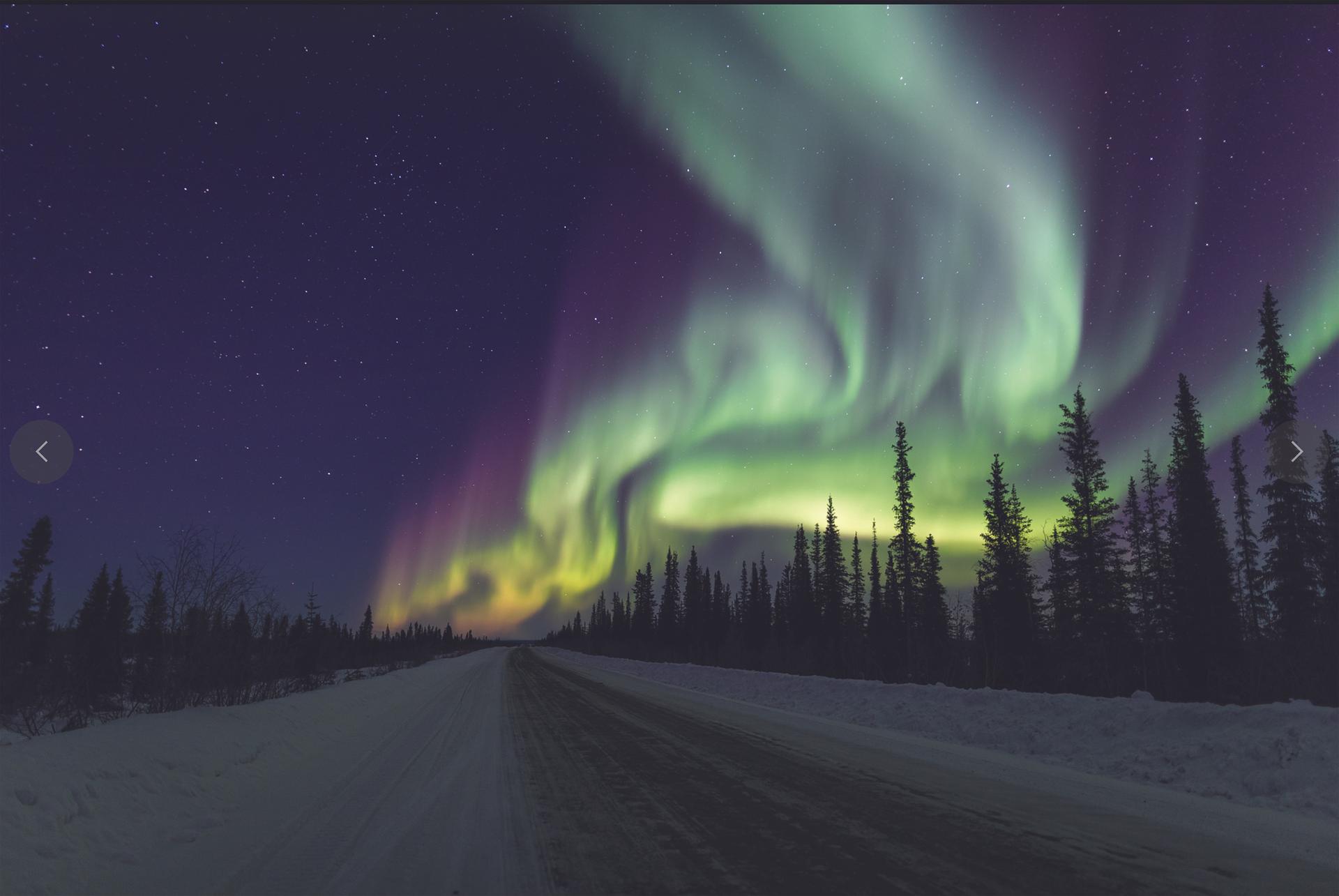
When Northern Lights Appear at Tincup
Aurora Season at Tincup: Late August Through September
The Yukon summer barely gets dark until late in the season, so aurora viewing requires waiting for true night.
Darkness Timeline:
- June–July: Midnight sun—aurora not visible
- Early August: Twilight all night—aurora not visible
- Late August (after ~Aug 20): True darkness returns around 10:30 pm—aurora possible
- September: Full darkness (10+ hours/night)—northern lights sightings highly likely
Tip: If your primary goal is seeing aurora, plan your trip for September.
What Causes Northern Lights in Yukon?
Science Simplified:
Solar wind particles collide with Earth’s atmosphere near the magnetic poles, producing glowing curtains of light—predominantly green, but also purple, red, and white. Yukon sits at ~60–65°N latitude, inside the “auroral oval” where activity is strongest.
Why September is Peak Season:
- Solar activity: Autumn equinox increases geomagnetic activity
- Dark nights: After months of midnight sun, true darkness returns
- Clear skies: Stable weather improves visibility
- Comfortable temperatures: Cool, but not extreme
Aurora Forecasting:
- Activity measured by the KP index
- KP 3+ usually produces visible aurora in Yukon
Where to Watch the Northern Lights at Tincup
Best Viewing Spots at Tincup
- The Dock: Open sky in all directions; perfect for group viewing and photography.
- The Beach: Fire pit area with unobstructed northern views; cozy if campfire conditions allow.
- Cabin Decks: Private and intimate, great for couples.
- Canoe on the Lake: Reflections double the aurora’s impact. Only for experienced paddlers in calm conditions.
How to Photograph the Northern Lights
Camera Settings for Aurora:
- Mode: Manual
- ISO: 1600–3200 (higher for faint aurora, lower for bright displays)
- Aperture: f/2.8 or wider (f/1.8, f/1.4 ideal)
- Shutter Speed: 5–15 seconds (shorter for fast-moving aurora, longer for faint displays)
- Focus: Manual focus set to infinity
Gears Needed:
✅ DSLR or mirrorless camera (smartphones rarely capture aurora well)
✅ Wide-angle lens (14–24 mm ideal)
✅ Sturdy tripod
✅ Extra batteries (cold drains quickly)
✅ Red-filtered headlamp
✅ Remote shutter release or timer
Composition Tips:
- Include foreground objects (dock, cabin, trees)
- Capture reflections from lake
- Shoot multiple exposures to show movement
- Shoot RAW for post-processing
Common Mistakes:
❌ ISO too low → dim aurora
❌ Focus not at infinity → blurry sky
❌ Too much ambient light → ruined exposure
❌ Ignoring histogram → overexposed greens
Northern Lights Etiquette at Tincup
- Minimize light: Use red-filtered headlamps; avoid flashlights
- Share the dock: Communicate when using tripods
- Respect the mood: Match energy—quiet observation or shared excitement
What If Aurora Doesn't Appear?
Reality Check: Aurora is natural and unpredictable. Even in September, clouds or low activity can hide it.
Backup Magic:
- Milky Way so bright it casts shadows
- Shooting stars and satellites
Tip: Longer stays increase your chances—5-night visit = 3–4 nights with aurora potential.
Combining Aurora with Other September Highlights
Fall Colours: Forests and tundra turn gold, red, and crimson
Moose Rut: Vocal bulls, easy wildlife viewing
Trophy Fish: Lake trout aggressively feeding (10–18 lb common)
Solitude: Shoulder season = fewer guests
Crisp Nights: No mosquitoes; clear, dry air improves aurora visibility.
Real Guest Experiences: Northern Lights at Tincup
"We saw aurora three out of five nights. The best display lasted over an hour—dancing curtains filling the entire sky. I've never seen anything like it."
— Guest review, September visit
"The aurora reflecting in the lake was surreal. We paddled out in a canoe at midnight and just floated, surrounded by green light above and below."
— Guest review, September visit
"Even without aurora, the night sky was unbelievable. Milky Way so bright you could see it with your eyes closed (almost). Worth the trip for stars alone."
— Guest review, September visit
"I've chased Northern Lights in Iceland and Norway. Tincup's aurora—with the absolute silence and dark skies—was the best experience I've had."
— Guest review, September visit
September Trade-Offs:
Cooler Temperatures:
- Daytime highs: 10–15°C (50–60°F)
- Nighttime lows: 0–5°C (32–40°F)
- Frost possible
Solution: Pack warm layers. Puffy jacket, gloves, warm hat essential.
Shorter Days:
- Sunrise: ~7:30 am
- Sunset: ~8:30 pm
- 13 hours of daylight (vs. 20+ in June)
Solution: This is the trade for darkness (which gives you aurora). You still have plenty of daylight for activities.
Variable Weather:
September weather is less stable than July. Rain and wind are more common. Occasional early snow is possible (rare but not unheard of).
Solution: Bring excellent rain gear. Embrace weather as part of the wilderness experience.
Maximizing Your Aurora Chances
- Book mid–late September: Peak around autumn equinox (Sept 21–23)
- Stay 5 nights: 3–4 nights with aurora potential
- Stay up late: Aurora often intensifies after midnight
- Check forecasts: Lodge monitors aurora daily
- Be patient: Faint displays can build over hours.
The Bottom Line: Is September Worth It for Aurora?
Yes—if the northern lights are a priority.
September offers:
- High chance/night for the northern lights
- Stunning fall colours
- Trophy fishing
- Fewer guests = more intimate experience
Trade-offs:
- Cooler temperatures
- Shorter daylight
- Less predictable weather
Conclusion: Dress warmly, embrace autumn conditions, and September at Tincup delivers one of North America’s most spectacular aurora experiences.
How to Maximize Your Aurora Chances
1. Book Mid-to-Late September
Peak aurora activity occurs around the autumn equinox (September 21–23). Book September 15–25 for best odds.
2. Stay 5 Nights
More nights = more chances. A 5-night stay gives you 3–4 nights with aurora potential.
3. Stay Up Late
Aurora often intensifies after midnight. Don't give up at 11 pm if activity is weak. The best displays can happen at 1am–2 am.
4. Check Aurora Forecasts
Tincup hosts monitor aurora forecasts daily. If a strong display is predicted, they'll let guests know.
5. Be Patient
Aurora can start faint and build over hours. Don't go inside after 10 minutes—give it time.
The Bottom Line: Is September Worth It for Aurora?
Yes—if Northern Lights are a priority.
September offers:
- 60–70% chance of aurora per night
- Fall colours (bonus visual spectacle)
- Trophy fishing (bigger lake trout than summer)
- Fewer crowds (more intimate experience)
- Lower pricing than peak summer
Trade-offs:
- Colder temperatures
- Shorter daylight hours
- Less predictable weather
If you're willing to dress warm and embrace autumn conditions, September at Tincup delivers one of the most spectacular Northern Lights experiences anywhere in North America.